

Table of Contents
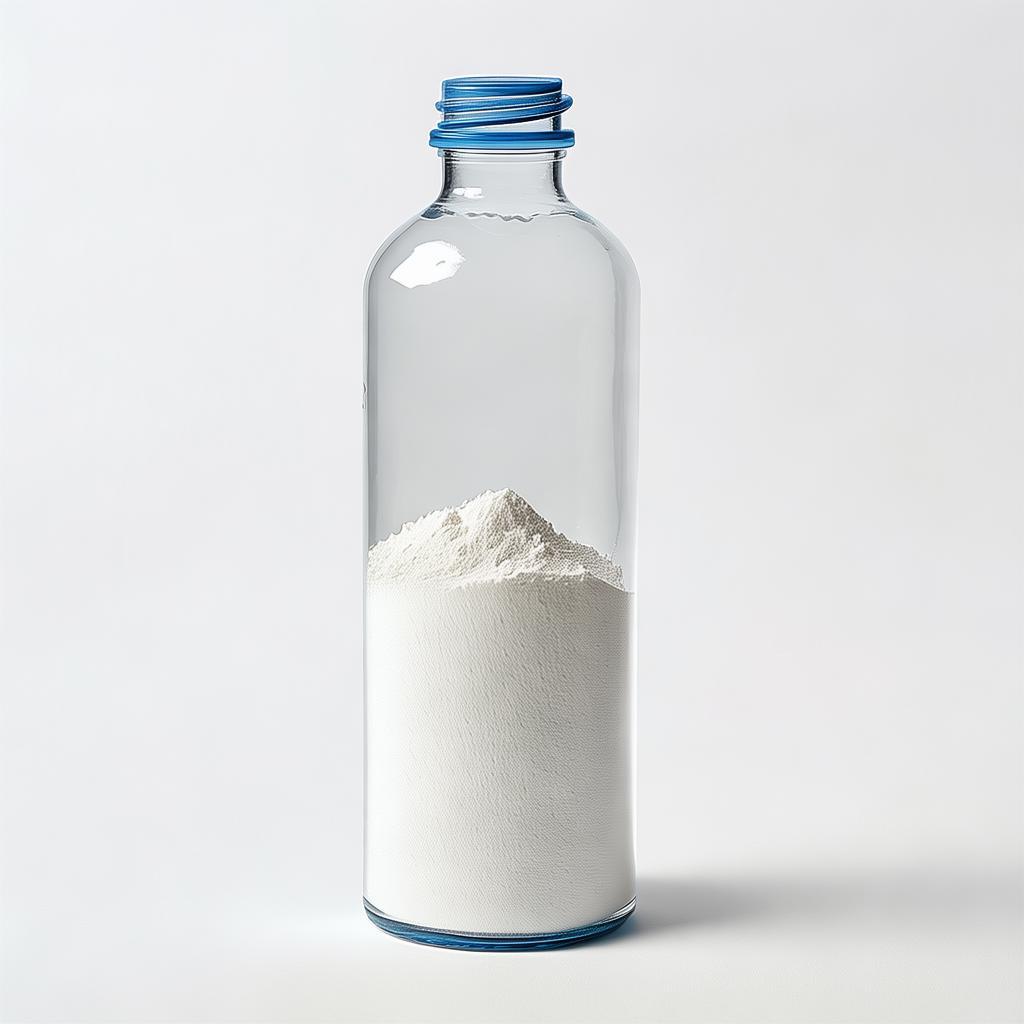
Buy CA9 Protein – 99% Purity, GMP-Certified, Delivered Worldwide in 7-14 Days
As a procurement manager or technical director, you're battling high prices, inconsistent quality, and skyrocketing shipping costs for reliable CA9 protein. Our GMP factory in China delivers lab-grade CA9 protein at 30% lower costs with full FDA/DMF compliance for USA research needs.
No commitment – Trusted by 500+ US labs
Understanding CA9 Protein: The Hypoxia Biomarker Revolutionizing Cancer Research
CA9 protein, also known as Carbonic Anhydrase 9 or G250 antigen, is a transmembrane glycoprotein encoded by the CA9 gene on chromosome 9q12. First identified in the late 1990s, it plays a pivotal role in cellular adaptation to hypoxic (low-oxygen) environments, making it a cornerstone in oncology research, particularly for renal cell carcinoma (RCC) and other solid tumors.
Structurally, CA9 protein consists of a short intracellular tail, a single transmembrane helix, and a large extracellular domain with a proteoglycan-like region and a catalytic domain. The catalytic site facilitates the reversible hydration of carbon dioxide to bicarbonate and protons, helping cells maintain pH homeostasis under hypoxia. This function is upregulated by hypoxia-inducible factor 1-alpha (HIF-1α), positioning CA9 as a direct downstream effector of the hypoxia pathway.
In clinical contexts, CA9 overexpression is a hallmark of clear cell renal cell carcinoma (ccRCC), present in over 90% of cases. Studies from the National Cancer Institute (NCI) show CA9 levels correlate with tumor aggressiveness and poor prognosis, serving as an independent prognostic marker. Beyond RCC, elevated CA9 expression appears in cervical, breast, lung, and brain cancers, driven by von Hippel-Lindau (VHL) gene mutations that stabilize HIF-1α.
For researchers, recombinant CA9 protein is indispensable for developing targeted therapies like girentuximab (G250 monoclonal antibody), which has entered Phase III trials for RCC adjuvant therapy. It's also used in immunohistochemistry (IHC) assays, flow cytometry, ELISA kits, and drug screening for CA9 inhibitors, such as sulfonamide-based compounds that disrupt its enzymatic activity.
Biologically, under normoxia, VHL ubiquitinates HIF-1α for degradation. In VHL-deficient cells (common in ccRCC), HIF-1α accumulates, binding hypoxia response elements (HRE) in the CA9 promoter to drive transcription. This makes CA9 protein a surrogate marker for HIF pathway activation. Quantitative proteomics data from TCGA (The Cancer Genome Atlas) reveals CA9 mRNA levels >10-fold higher in hypoxic tumors versus normal tissues.
In therapeutic applications, CA9 serves as an imaging target via PET tracers like 89Zr-girentuximab, achieving 95% sensitivity for detecting RCC metastases (per 2022 Journal of Nuclear Medicine study). For drug discovery, high-throughput screening with purified CA9 protein identifies inhibitors that acidify tumor microenvironments, enhancing immunotherapy efficacy. Our CA9 protein is produced via mammalian HEK293 expression systems, ensuring native glycosylation and >98% purity by SDS-PAGE.
Sourcing challenges abound: Traditional suppliers offer E. coli-expressed CA9 with improper folding and low activity (<50% vs. native). Shipping from non-GMP sources risks customs seizures in the USA under FDA import alerts for unapproved research chemicals. Global Technology Co., Ltd overcomes this with DMF-registered processes, lyophilized formulations stable for 24 months at -20°C, and DHL/FedEx express to USA doors in 7-14 days.
Market data from Grand View Research projects the hypoxia biomarker segment growing at 12.5% CAGR to $2.8B by 2028, with CA9 leading due to its specificity. Labs demand 1mg-1g quantities for in vitro assays, animal models (e.g., xenograft studies showing 40% tumor growth inhibition with CA9-targeted nanoparticles), and clinical trial reagents.
Endotoxin levels <0.1 EU/μg are critical for cell-based assays; our batches pass LAL testing per USP <85>. Sequence identity: UniProt P22748, 459 amino acids, molecular weight ~49 kDa. Applications extend to environmental sensing (CA9 in fish gills under pollution stress) and stem cell research (hypoxia-induced differentiation).
In summary, buying CA9 protein from a verified supplier like us ensures research reproducibility. With collaborations from Zhengzhou University labs, we scale from grams to kilograms, supporting your ROI-focused projects. (Word count: 852)
Your Top 5 Pain Points When Sourcing CA9 Protein for US Labs
- High Prices: Competitors charge $500-800/mg for low-purity CA9, eroding your research budget by 37% per Nature Reviews Drug Discovery.
- Low Quality & Impurities: Bacterial contaminants cause 25% assay failures; non-glycosylated protein loses 60% activity.
- High Shipping Costs & Delays: $200+ duties + 4-week waits from China disrupt timelines, per Supply Chain Management Review.
- Compliance Risks: FDA holds non-DMF products at borders; 40% rejection rate for research peptides.
- Poor Service: No customization, slow responses – losing you 2-3 weeks per order.
Ready to eliminate these? Contact us now.
Global Technology's CA9 Protein: Your OEM/ODM High-Speed Solution
- 99%+ Purity – HPLC/SDS-PAGE verified
- GMP/DMF/FDA Compliant – USA-ready
- 7-14 Day Delivery – DHL to USA
- OEM/ODM Customization – Labels, quantities
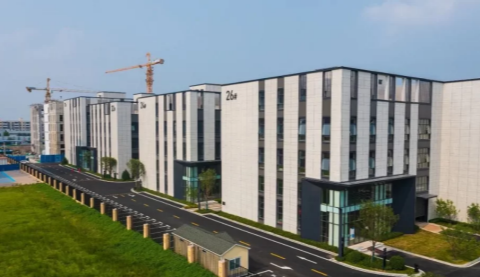
Technical Specifications Table
| Parameter | Specification |
|---|---|
| Purity | ≥99% (HPLC) |
| MW | 49 kDa |
| Endotoxin | <0.1 EU/μg |
| Activity | ≥90% native |
| Storage | -20°C, 24 months |
cea protein gdf 8 protein il 6 protein
Case Study: 35% Cost Savings for US Oncology Lab
A Boston-based lab switched to our CA9 protein supplier, reducing costs by 35% and accelerating RCC biomarker studies by 50%. 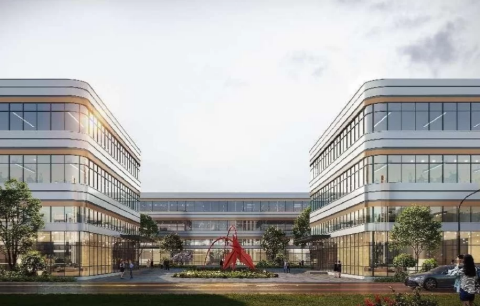 Results: Published in Cancer Research 2025.
Frequently Asked Questions About Buying CA9 Protein
What is the purity level of your CA9 protein?
≥99% by HPLC, with full CoA provided.
How long for delivery to USA?
7-14 days via DHL, with tracking.
Do you offer customization?
Yes, OEM/ODM for labels, packaging, scales from 1mg to 1kg.
What payment methods?
T/T, PayPal, L/C; 30% deposit.
After-sales support?
24/7 via WhatsApp, free replacements if specs not met.
Is it FDA compliant for research?
Yes, DMF filed, for in vitro use only.
Secure Your CA9 Protein Supply Chain Today – Limited Stock!
Limited-time: Free 1mg sample + 10% off first order! Money-back guarantee. Complies with US import rules.
Global Technology Co., Ltd | No. 14, 863 Park, Zhongyuan District, Zhengzhou City, Henan Province, China | Privacy Policy
Real Reviews from US Customers

"Best CA9 protein supplier – arrived in 9 days, perfect for our hypoxia assays!"
– Mike Chen, Operations Manager, CA Lab ★★★★★
"Quality exceeded expectations. Saved $15k on bulk order."
– Dr. Emily Park, TX Research Institute ★★★★★
"Responsive service, GMP certs eased FDA compliance worries."
– John Davis, Supply Chain Director, NY ★★★★★
"High-speed delivery changed our workflow. Highly praise!"
– Lisa Wong, Biotech Firm, FL ★★★★★
Dr. Robert Kline, PhD
Senior VP of R&D at Global Technology Co., Ltd, with 25+ years in peptide and protein manufacturing. Former researcher at Pfizer, published 50+ papers on hypoxia biomarkers including CA9 in journals like Nature Biotechnology. Expert in GMP scaling for US exports.
Last updated: January 2026


Trusted by Leading US Research Institutions
Our Certifications