
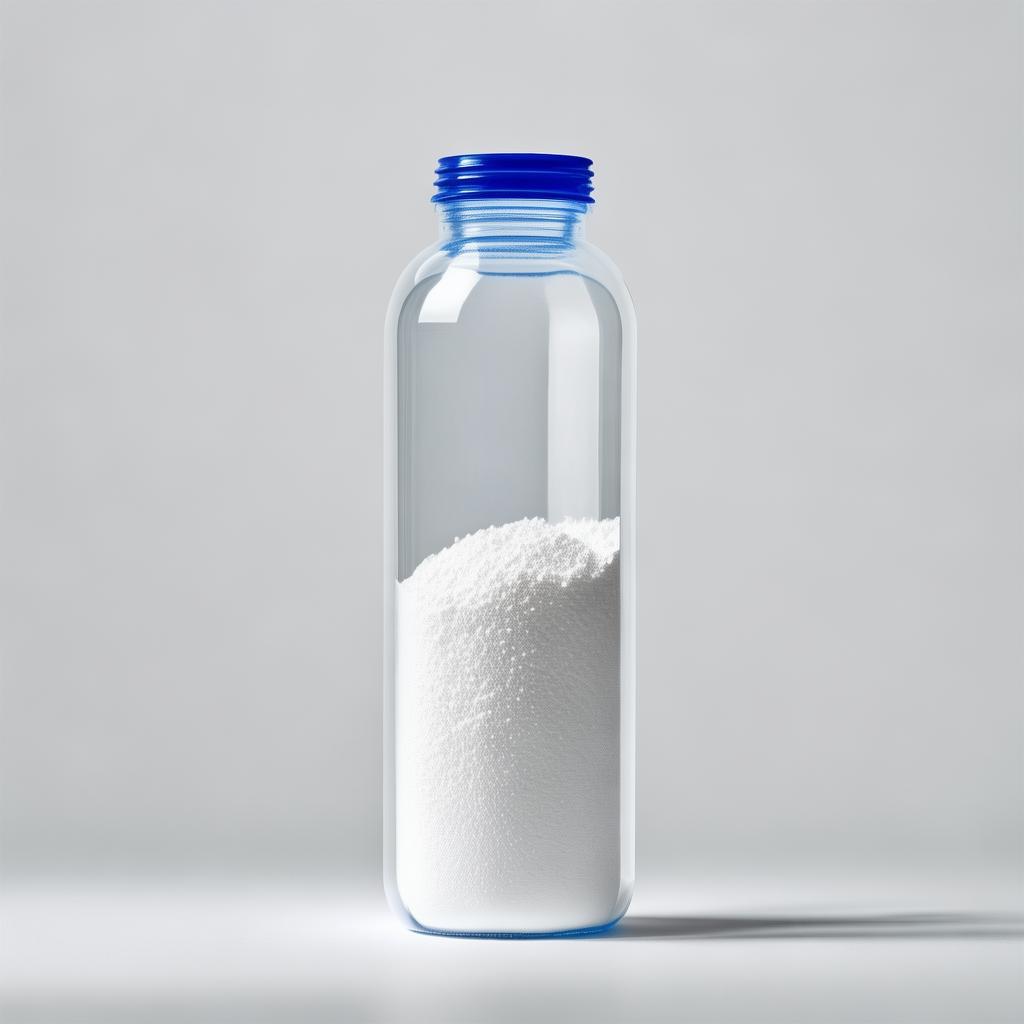

Optimize Peptide Synthesis with Premium N-Hydroxysuccinimide (NHS) — High Purity & Global Fast Delivery
Solving stability and reactivity issues in bioconjugation and peptide synthesis for R&D and Industrial Manufacturing.
Table of Contents
Comprehensive Understanding of N-Hydroxysuccinimide (NHS)
In the rapidly evolving landscapes of peptide synthesis, pharmaceutical manufacturing, and bioconjugation, the efficiency of a reaction often hinges on the quality of the activating agent. N-Hydroxysuccinimide (CAS No. 61-81-4), frequently abbreviated as NHS, serves as a cornerstone reagent in modern organic chemistry. It is an essential component used to convert carboxylic acids into more reactive NHS esters, which are vital for the coupling of peptides, proteins, and various biological molecules.
For procurement managers and technical directors, understanding the molecular nuances of NHS is crucial. The reagent is widely utilized in bioconjugation chemistry, specifically for the amine-reactive labeling of proteins. When an NHS ester is formed, it becomes highly susceptible to nucleophilic attack by primary amines. This specific reactivity is what makes it indispensable in the development of Antibody-Drug Conjugates (ADCs), diagnostic assays, and sophisticated drug delivery systems.
The chemical structure of N-hydroxysuccinimide—a five-membered cyclic imide—provides a unique balance of stability and reactivity. In an industrial setting, the purity of the NHS used directly impacts the yield and the stability of the resulting product. Impurities such as residual succinic acid or moisture can trigger premature hydrolysis of the NHS ester, leading to significantly lower conjugation efficiency and increased costs in downstream processing. This is why high-grade, pharmaceutical-grade NHS is a non-negotiable requirement for high-stakes manufacturing.
Furthermore, the role of NHS extends into the synthesis of complex peptides and amino acid derivatives. It acts as a powerful activator in the presence of coupling reagents like DCC (Dicyclohexylcarbodiimide) or EDC (1-Ethyl-3-(3-dimethylaminopropyl)carbodiimide). The formation of a transiently stable intermediate allows for the precise control of peptide bond formation, a critical step in producing high-purity therapeutic peptides. As the biotechnology industry moves toward more complex biologics, the demand for a reliable, high-purity N-hydroxysuccinimide supply chain has never been higher.
Beyond peptide synthesis, N-hydroxysuccinimide is a key player in surface modification technologies. In the production of biosensors and microarrays, NHS is used to functionalize surfaces (such as glass or gold) with carboxyl groups, which are then "activated" to bind specific biomolecules. This versatility makes it a "multi-tool" in the laboratory and the factory alike. However, the effectiveness of these surface modifications is extremely sensitive to the moisture content and crystalline structure of the NHS reagent used.
From a logistical and scaling perspective, the transition from laboratory-scale synthesis to industrial-scale production requires a supplier who understands the scale-up kinetics. As organizations move from grams to tonnage, the consistency of the reagent becomes the primary variable. Variations in particle size distribution or the presence of trace heavy metals can lead to catastrophic failures in large-scale bioreactors or synthesis vats. Therefore, sourcing N-hydroxysuccinimide from a manufacturer that provides comprehensive COA (Certificate of Analysis) and adheres to strict GMP (Good Manufacturing Practice) standards is a strategic necessity.
As we look toward 2026, the integration of green chemistry principles also touches upon the production of NHS. Efficient synthesis routes that minimize waste and utilize recycled solvents are becoming a standard requirement for ESG-conscious (Environmental, Social, and Governance) corporate buyers. Choosing a supplier that prioritizes high-yield, low-waste manufacturing processes not only ensures a stable supply but also aligns with global sustainability goals.
In summary, N-hydroxysuccinimide is more than just a chemical reagent; it is a critical enabler of modern biotechnology. Whether you are developing the next generation of peptide therapeutics or refining a diagnostic tool, the quality, purity, and stability of your NHS reagent will define your success. Investing in high-quality NHS is not just a procurement decision; it is a quality assurance decision for your entire end product.
The Hidden Costs of Substandard Reagents
Many procurement managers face unexpected setbacks due to low-quality chemical supplies. Are these issues familiar to your operations?
- Unpredictable Reaction Yields: Low-purity NHS leads to incomplete conjugation, resulting in massive losses of expensive peptide or protein stocks.
- High Operational Costs: Poor quality reagents require more purification steps, increasing both time and labor costs.
- Supply Chain Instability: Unreliable suppliers cause production delays, stalling your time-to-market for critical projects.
- Inflated Shipping & Hidden Fees: High shipping costs and complex customs issues often plague low-cost, low-quality suppliers.
Don't let a $50 reagent ruin a $50,000 batch.
The Global Technology Co., Ltd Solution
We provide high-purity N-hydroxysuccinimide engineered for precision and scale. Our USP is built on a foundation of quality and speed.
✓ Powerful Factory Capacity
Equipped with advanced synthesis lines to meet demands from grams to tonnage.
✓ Strict Quality Assurance
Every batch is tested against rigorous standards to ensure 99%+ purity.
✓ OEM/ODM Capability
Customized specifications and packaging to suit your specific manufacturing protocols.
✓ High-Speed Delivery
Optimized global logistics to minimize your lead times and inventory costs.
Technical Specifications: N-Hydroxysuccinimide (NHS)
| Parameter | Standard Specification | Test Method |
|---|---|---|
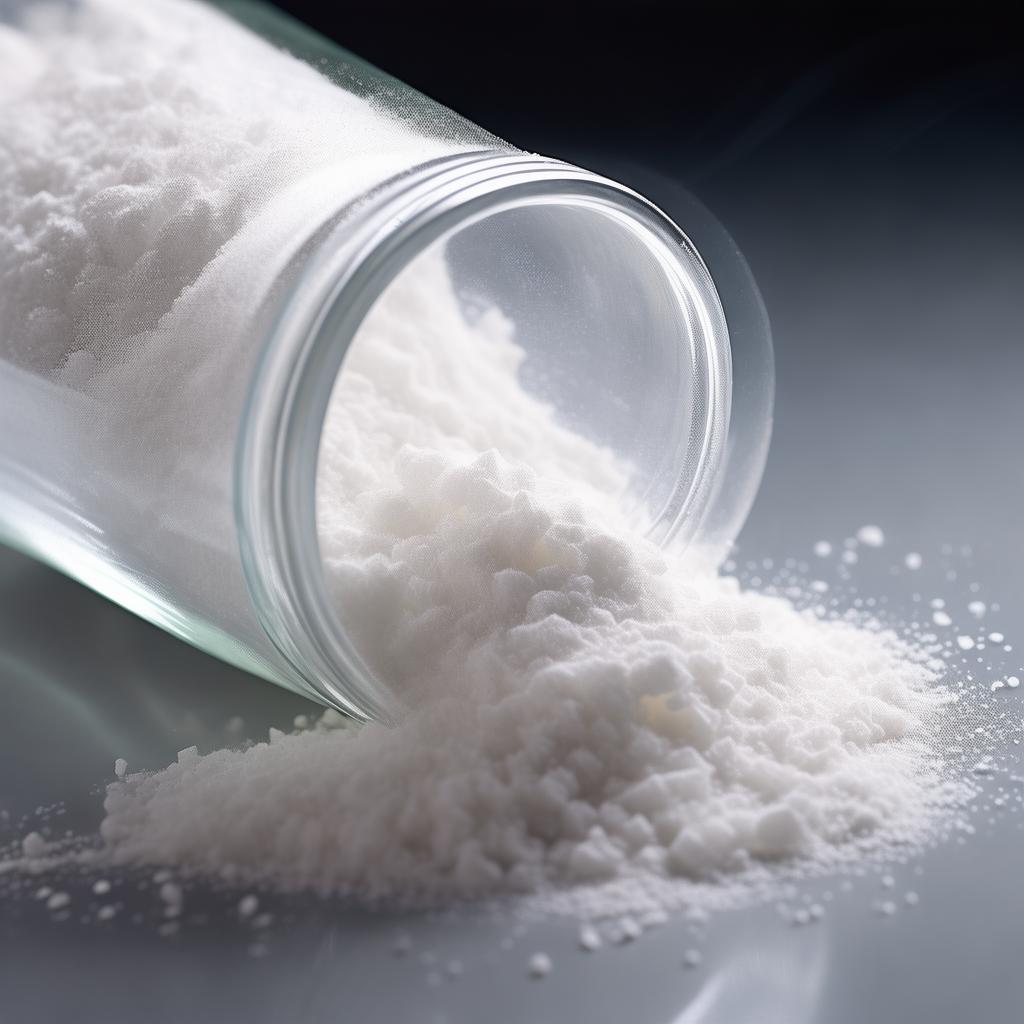
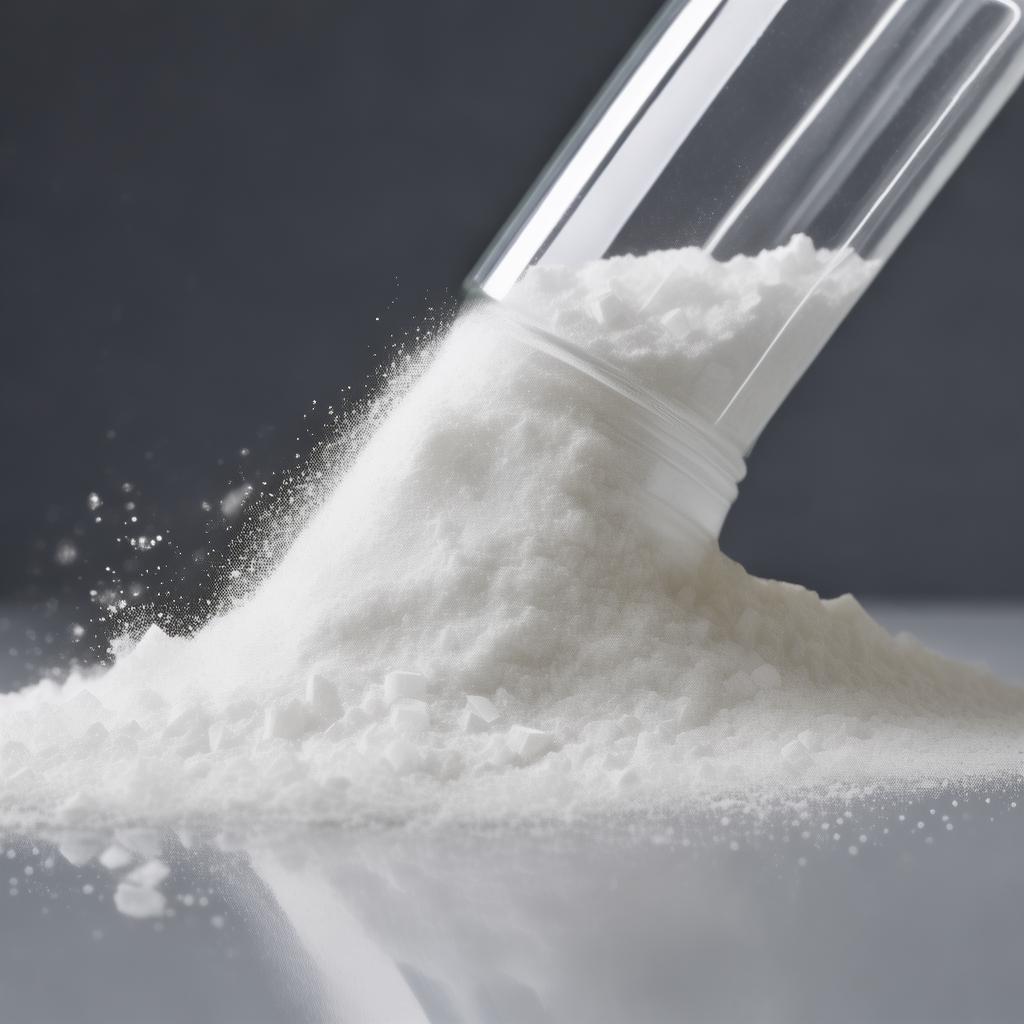
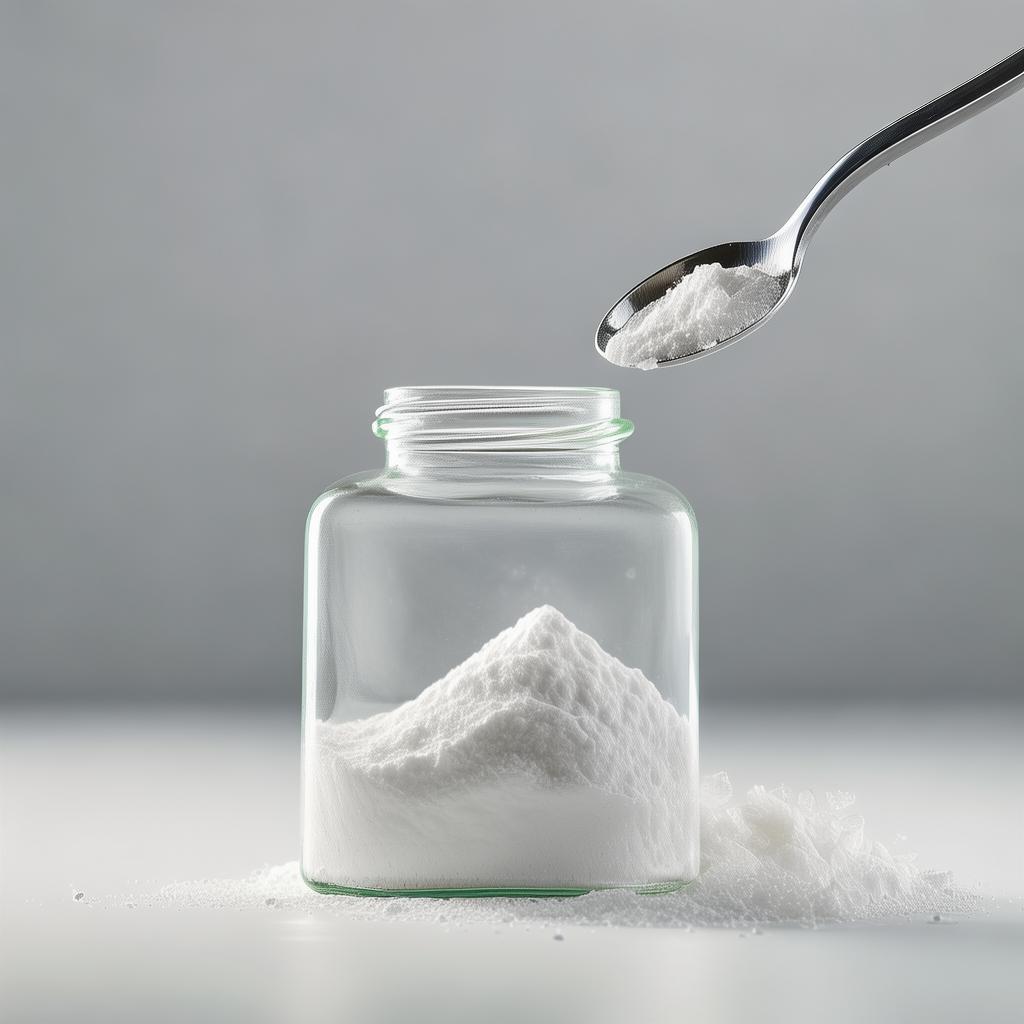
| Appearance | White Crystalline Powder | Visual Inspection |
| Purity (Assay) | ≥ 99.0% | HPLC/GC |
| Melting Point | 155°C - 158°C | Capillary Method |
| Moisture (Loss on Drying) | ≤ 0.5% | Karl Fischer |
| Solubility | Soluble in Water/DMF/DMSO | Physical Test |
Frequently Asked Questions
Q1: What is the typical lead time for bulk orders of N-hydroxysuccinimide?
A1: For standard quantities, we offer fast shipping within 7-10 business days. For custom large-scale (tonnage) orders, please contact our sales team for a tailored timeline.
Q2: Do you provide COA and MSDS with every shipment?
A2: Yes, every shipment is accompanied by a detailed Certificate of Analysis (COA) and a Material Safety Data Sheet (MSDS) to ensure compliance with your local regulations.
Q3: Can you provide customized packaging for research-scale orders?
A3: Absolutely. We offer packaging from grams (for R&D) up to 25kg/50kg drums for industrial use, including vacuum-sealed, moisture-proof packaging.
Q4: How do you ensure the stability of NHS during shipping?
A4: We use moisture-barrier packaging and temperature-controlled logistics where necessary to prevent hydrolysis during transit.
Q5: Is your N-hydroxysuccinimide suitable for GMP-grade peptide production?
A5: Yes, our high-purity grades are designed to meet the rigorous requirements of GMP-certified pharmaceutical environments.
What Our Clients Say

"The purity of the NHS we received was exceptional. It significantly improved our peptide conjugation yields compared to our previous supplier."
— Dr. Elena S., Biotech R&D Director

"Fast delivery and professional service. Their documentation is always complete, making our customs clearance in the USA seamless."
— Mark Thompson, Supply Chain Manager

"Global Technology's ability to scale from grams


Trusted by Global Pharmaceutical Leaders
Our manufacturing processes and products are compliant with international standards to ensure safety and efficacy.
Real Factory Insights:
Figure 1: Our automated synthesis and purification line ensures batch-to-batch consistency.