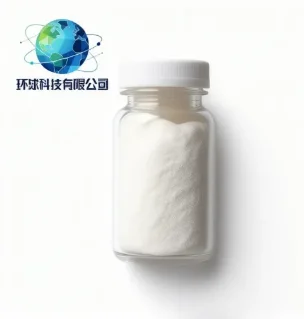
Amylin, rat CAS NO.124447-81-0

TECHNICAL SPECIFICATIONS
| Item | Specification |
|---|---|
| Product Name | Amylin, rat |
| CAS NO. | 124447-81-0 |
| Appearance | White to off-white lyophilized powder |
| Molecular Formula | C₁₆₄H₂₅₉N₅₁O₅₄S₂ |
| Molecular Weight | 3891.34g/mol |
| Purity (RP-HPLC) | ≥ 95.0% |
| Solubility | Soluble in water (5 mg/mL) or 5% acetic acid; also soluble in DMSO |
| Endotoxin | < 1.0 EU/mg |
| Biological Activity | A 37-amino acid pancreatic peptide; inhibits glucagon secretion, delays gastric emptying, and acts as a satiety agent. In rat models, it modulates glucose homeostasis and is associated with islet amyloid formation in diabetes. |
| Storage Conditions | -20°C for long-term storage ; avoid repeated freeze-thaw cycles. Store as aliquots in sealed vials. |
| Stock Location | Stock in USA |
| MOQ | 1g |
1.MECHANISM OF ACTION
- Inhibition of Glucagon Secretion: Acts on the pancreas to suppress postprandial glucagon release from α-cells, reducing hepatic glucose output.
- Delay of Gastric Emptying: Signals via receptors in the hindbrain (area postrema) to slow the rate at which food empties from the stomach into the small intestine, moderating the post-meal rise in blood glucose.
- Induction of Satiety: Acts centrally in the brain to promote feelings of fullness, leading to reduced food intake. This anorexigenic effect is a key area of study in obesity research.
- Critical Distinction – Non-Amyloidogenic: Unlike human or feline amylin, rat amylin contains proline substitutions that prevent β-sheet formation and toxic aggregation. This makes it ideal for studying amylin's native hormonal signaling without the complication of islet amyloid pathology.
2.PRODUCT INDICATIONS
- Physiology of Glucose Homeostasis: Studying the normal, protective role of amylin in postprandial glucose regulation in healthy and diabetic rodent models.
- Obesity & Feeding Behavior Research: Investigating the anorexigenic (satiety) effects of amylin and its potential as a target for weight loss therapies.
- Pharmacology of Amylin & Analogs: Serving as the species-specific reference agonist for testing the effects of endogenous amylin or novel amylin mimetics (like pramlintide) in rat-based experiments.
- Comparative Biology: Contrasting the effects of non-amyloidogenic (rat) vs. amyloidogenic (human) amylin sequences in cellular and animal models to understand the structural basis of toxicity.
- Gastrointestinal Motility Studies: Research on hormonal control of gastric emptying.
3.CLINICAL EFFICACY OF PRODUCT
- Foundational Science: Studies in rats (and mice) using rat amylin or its analogs were instrumental in proving that amylin:
- Reduces food intake and promotes weight loss.
- Lowers blood glucose via glucagon suppression and gastric emptying delay.
- Enabling Drug Development: This robust physiological data from rodent models validated the amylin pathway as a therapeutic target for diabetes and obesity. It provided the essential proof-of-concept that led to the development of pramlintide, the stable, non-aggregating human amylin analog approved for diabetes treatment.
- Safety Profile Evidence: The non-toxic nature of rat amylin in rodent islets helped differentiate the hormone's beneficial signaling effects from the detrimental amyloid effects of human IAPP.
4.DELIVERY & SHIPPING
We specialize in global logistics for various cosmetic peptides. Your order will be handled with the utmost care, ensuring safe, reliable, and intact delivery.
Professional and Secure Packaging
Each bottle of peptide is protected with a special packaging solution to ensure stability and integrity during transportation.
We can also customize packaging according to customer needs.
Shipping Methods
Main Method: International Air Freight
We primarily use DHL, FedEx, UPS, and TNT because of their global reliability, speed, and advanced tracking systems. Air freight ensures the fastest transit time and minimizes the impact of environmental factors on the product.