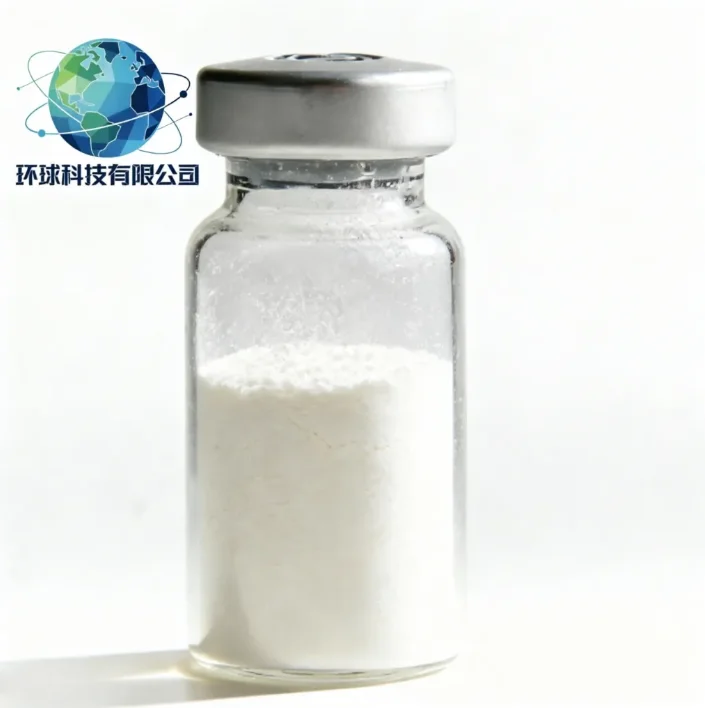
Semaglutide CAS NO.910463-68-2

TECHNICAL SPECIFICATIONS
| Item | Specification |
|---|---|
| Product Name | Semaglutide |
| CAS NO. | 910463-68-2 |
| Appearance | White to off-white lyophilized powder |
| Molecular Formula | C187H291N45O59 |
| Molecular Weight | 4113.64 g/mol |
| Purity (RP-HPLC) | ≥98.0% |
| Solubility | Soluble in water; reconstitutes well in bacteriostatic water for injection |
| Endotoxin | <0.1 EU/mg |
| Biological Activity | Potent GLP-1 receptor agonist; promotes insulin secretion, reduces appetite |
| Storage Conditions | Store at 2–8°C protected from light; avoid freezing |
| Stock Location | Stock in USA |
| MOQ | 1g |
1.MECHANISM OF ACTION
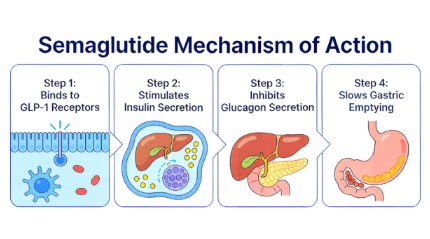
Semaglutide functions by selectively binding to and activating GLP-1 receptors, mimicking the effects of the natural incretin hormone. Its mechanism involves a multi-pronged approach: it stimulates glucose-dependent insulin secretion from pancreatic beta cells while suppressing glucagon release, thereby lowering hepatic glucose production. Additionally, it significantly delays gastric emptying, which slows nutrient absorption, and acts centrally on the hypothalamus to reduce hunger signals and increase feelings of fullness, leading to a natural reduction in caloric intake.
2.PRODUCT INDICATIONS
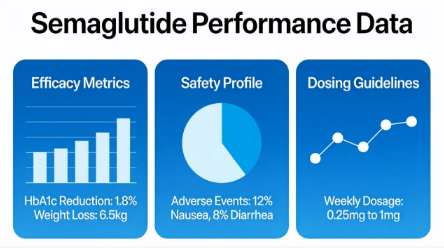
This product is FDA-approved for the treatment of adults with type 2 diabetes mellitus to improve glycemic control, as well as for chronic weight management in adults and adolescents aged 12 years and older with obesity or overweight and at least one weight-related comorbidity. It is also indicated to reduce the risk of major adverse cardiovascular events in adults with type 2 diabetes and established cardiovascular disease, making it a critical therapeutic option for patients with complex metabolic and cardiovascular profiles.
3.CLINICAL EFFICACY OF PRODUCT
Clinical trials, including the landmark STEP program for obesity and SUSTAIN program for diabetes, have demonstrated robust efficacy. In weight management, semaglutide 2.4 mg achieved mean weight reductions of 14.9% to 17.4% over 68 weeks, with over 80% of participants achieving clinically significant weight loss. For type 2 diabetes, it reduced HbA1c by up to 1.8% and showed a 26% relative risk reduction in major adverse cardiovascular events, establishing it as a leader in both metabolic control and cardioprotection.
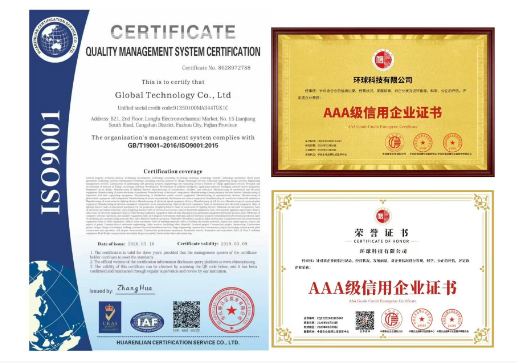
4.Certificate
GlobalTech Co., Ltd. is committed to providing high-purity biotechnological peptide products, adhering strictly to quality standards and obtaining internationally recognized certifications.
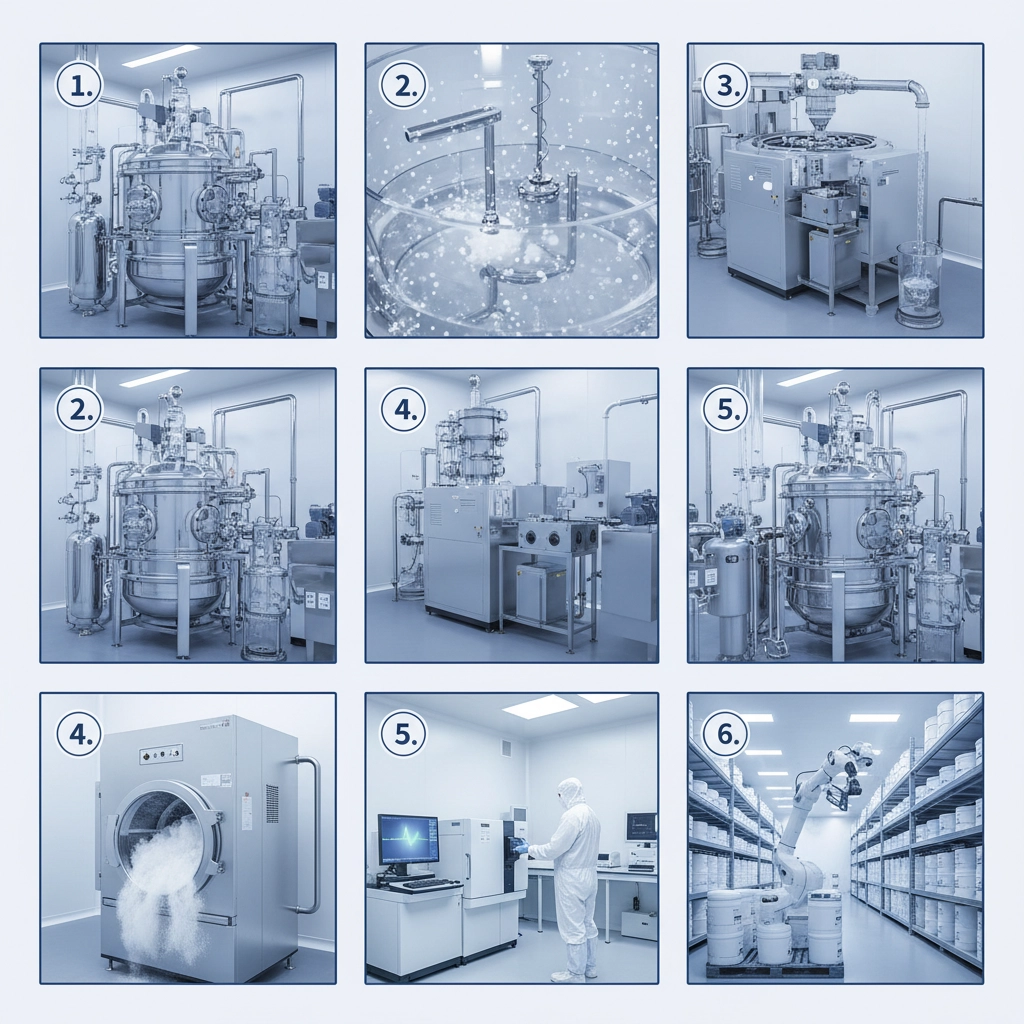
Our production partners all employ GMP-compliant production systems and possess standardized quality control processes covering raw material procurement, synthesis, purification, testing, packaging, and storage. Each batch of product comes with complete documentation, including a Certificate of Analysis (COA), HPLC purity report, mass spectrometry (MS) chromatograms, and third-party testing reports available upon request.
We prioritize:
1.A rigorous quality management system
2.Batch traceability and stability data
3.Professional laboratory testing and validation
4.Compliance with international trade standards
Our commitment to quality, transparency, and regulatory compliance ensures the provision of reliable, stable, and research-grade peptide products to our global partners.
5.DELIVERY & SHIPPING
We specialize in global logistics for various cosmetic peptides. Your order will be handled with the utmost care, ensuring safe, reliable, and intact delivery.
Professional and Secure Packaging
Each bottle of peptide is protected with a special packaging solution to ensure stability and integrity during transportation.
We can also customize packaging according to customer needs.
Shipping Methods
Main Method: International Air Freight
We primarily use DHL, FedEx, UPS, and TNT because of their global reliability, speed, and advanced tracking systems. Air freight ensures the fastest transit time and minimizes the impact of environmental factors on the product.

Global Technology Co., Ltd. is a modern and advanced enterprise specializing in the production and export of active pharmaceutical ingredients (APIs), peptides, and plant extracts. The company invests in and collaborates closely with domestic manufacturers holding GMP, DMF, and FDA certifications, as well as laboratories at renowned universities, to meet diverse customer needs ranging from gram-level to ton-level. This enables Dejurui Pharmaceutical to provide customers with more flexible and convenient access to cost-effective, high-quality products and superior services.
We focus on the research and development and supply of high-quality chemical products, strictly adhering to international standards and quality systems. Our products are stable in performance and reliable in purity, widely used in industrial manufacturing, scientific research, and the fine chemical industry. We provide solid support at every stage with a professional and responsible attitude.
Hot Tags:Semaglutide, GLP1, WeightLoss, Ozempic, Wegovy, DiabetesTreatment, ObesityMedicine, MetabolicHealth, Rybelsus, PeptideTherapy, FatLoss, AppetiteControl Supplier, Manufacturer, Bulk order, Pharmaceutical.
If you have any product requirements, please send an email to:sales@huanqiukeji9.com;whatsapp:85244219157
Is semaglutide the Same as Ozempic?
Semaglutide and Ozempic are closely related, but they are not exactly the same thing. Semaglutide is the active pharmaceutical ingredient, while Ozempic is one of the brand-name medications that contains semaglutide. In other words, Ozempic is a specific product that delivers semaglutide in a particular formulation and dosage.
Semaglutide works by mimicking the action of the natural hormone GLP-1 (glucagon-like peptide-1), which helps regulate blood sugar, appetite, and digestion. It increases insulin secretion when blood glucose levels are high, reduces glucagon release, slows gastric emptying, and promotes a feeling of fullness. Because of these effects, it is used to improve glycemic control in Type 2 Diabetes and also to support weight management.
Ozempic is an injectable version of semaglutide that is specifically approved for the treatment of type 2 diabetes. It is typically administered once weekly. Another semaglutide-based medication, Wegovy, is also a once-weekly injection but is approved at higher doses for chronic weight management in people with obesity or overweight conditions.
Although both Ozempic and Wegovy contain the same active ingredient, they differ in dosing, approved indications, and sometimes target populations. For example, Ozempic is primarily prescribed for blood sugar control, while Wegovy is designed specifically for weight loss.
In summary, semaglutide is the drug itself, and Ozempic is a brand name for one formulation of it. They are essentially the same active compound, but they are used in different medical contexts and under different dosing guidelines depending on the treatment goal.
Is It Safe To Lose Weight With Semaglutide?
Semaglutide is generally considered safe for weight loss when it is prescribed and monitored by a healthcare professional, but like any medication, it carries potential benefits and risks that need to be understood. It is approved for chronic weight management in people with obesity or overweight conditions, and it is also used in diabetes treatment under brand names such as Ozempic and Wegovy.
In clinical studies, semaglutide has been shown to produce significant weight loss by reducing appetite, increasing feelings of fullness, slowing gastric emptying, and helping people naturally consume fewer calories. Many patients experience steady, medically supervised weight reduction that can also improve metabolic health markers, including blood sugar control in Type 2 Diabetes, blood pressure, and cholesterol levels.
However, safety depends on proper use and individual health conditions. Common side effects include nausea, vomiting, diarrhea, constipation, and reduced appetite, especially during dose escalation. These symptoms are usually temporary but can be uncomfortable. In some cases, more serious risks may occur, such as gallbladder problems, pancreatitis, or dehydration if gastrointestinal side effects are severe. There is also a need for caution in people with a history of certain thyroid tumors or endocrine conditions.
Another important factor is that semaglutide is not a “quick fix” or cosmetic weight-loss drug. It works best as part of a long-term plan that includes dietary changes, physical activity, and medical supervision. Stopping the medication without lifestyle adjustments may lead to weight regain.
In summary, semaglutide can be a safe and effective tool for weight loss when used appropriately under medical guidance, but it is not risk-free and should not be used without proper clinical evaluation and ongoing monitoring.
Semaglutide VS Tirzepatide
Semaglutide and Tirzepatide are both modern injectable medications used for managing Type 2 Diabetes and for supporting weight loss, but they differ in mechanism, potency, and clinical outcomes.
Semaglutide is a GLP-1 receptor agonist, meaning it mimics a single gut hormone (GLP-1) that helps regulate blood sugar and appetite. It works by increasing insulin secretion when glucose is high, reducing glucagon levels, slowing stomach emptying, and enhancing satiety. This leads to improved glycemic control and gradual weight loss. It is available under brand names such as Ozempic and Wegovy, with Wegovy being the higher-dose formulation specifically approved for obesity treatment.
Tirzepatide, on the other hand, is a dual GIP and GLP-1 receptor agonist. In addition to activating the GLP-1 pathway like semaglutide, it also targets the GIP receptor, which plays a role in insulin sensitivity and energy metabolism. This dual action is believed to enhance both blood sugar control and weight reduction more strongly in many patients. Clinical studies have shown that tirzepatide may produce greater average weight loss compared to semaglutide, although individual responses vary.
In terms of side effects, both medications have similar profiles, including nausea, vomiting, diarrhea, and decreased appetite, especially during dose escalation. These effects are usually manageable and tend to improve over time. Both drugs also require gradual dose increases to improve tolerability.
Overall, semaglutide and tirzepatide are both highly effective metabolic therapies, but tirzepatide’s additional mechanism may offer stronger weight loss and glucose-lowering effects for some individuals. The choice between them depends on medical history, treatment goals, tolerability, and a healthcare provider’s recommendation.