The pharmaceutical landscape has seen a significant shift toward specialized anabolic agents that balance efficacy with a lower risk profile, and among these, the oxandrolone drug stands out as a pivotal compound. Used primarily for treating muscle wasting and promoting weight gain after severe trauma or surgery, this modified version of dihydrotestosterone provides a unique therapeutic window. Understanding its chemical properties and pharmacological action is essential for clinicians and researchers aiming to optimize patient recovery and metabolic health.
Globally, the demand for high-purity oxandrolone drug has increased as medical science delves deeper into the treatment of cachexia and protein-energy malnutrition. The synthesis of this compound requires rigorous adherence to Good Manufacturing Practices (GMP) to ensure that the final product is free from impurities that could compromise patient safety. As a result, the chemical raw material industry has evolved to provide highly stable and bioavailable forms of this steroid to meet the strict requirements of global health authorities.
From a commercial and scientific perspective, mastering the production and application of the oxandrolone drug allows for the development of targeted therapies that improve the quality of life for patients with chronic wasting diseases. By integrating advanced synthesis techniques with a deep understanding of endocrine regulation, the pharmaceutical industry can ensure that this powerful tool is delivered safely and effectively. This guide explores the technical nuances, global applications, and future trajectories of this essential pharmaceutical intermediate.

The Pharmacological Profile of oxandrolone drug
The oxandrolone drug is chemically characterized as a synthetic anabolic steroid, derived from dihydrotestosterone (DHT). Unlike many other steroids, it is modified by the substitution of carbon 2 with an oxygen atom, which significantly reduces its androgenic activity while maintaining high anabolic potency. This unique structure allows the drug to promote protein synthesis and nitrogen retention without the severe side effects typically associated with more androgenic compounds.
In a clinical setting, the pharmacological action of this compound centers on its ability to bind to androgen receptors, stimulating the growth of skeletal muscle and bone density. It is particularly valued for its ability to mitigate the catabolic effects of cortisol during periods of extreme physical stress, such as following major surgery or in patients suffering from severe burns. This makes it a cornerstone in the management of lean body mass preservation.
Global Manufacturing Standards for oxandrolone drug
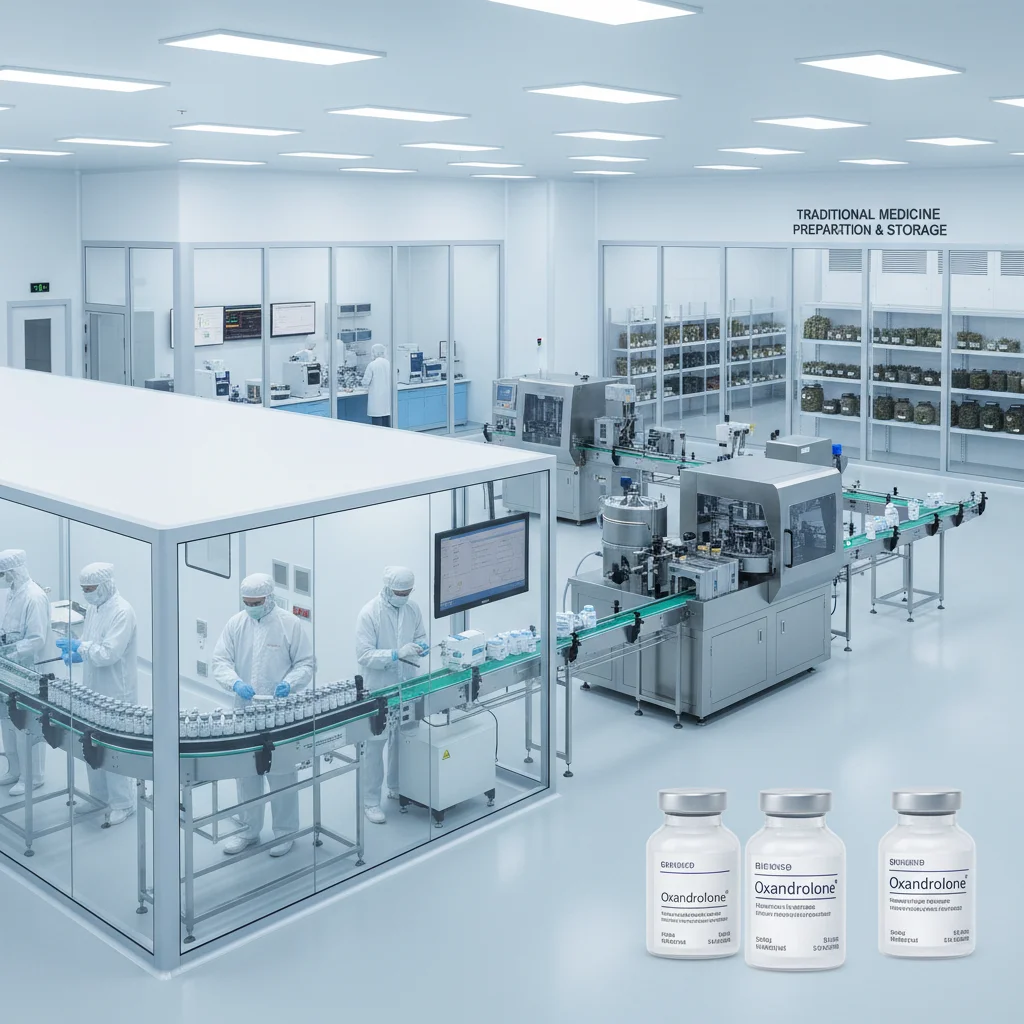
The production of the oxandrolone drug on a global scale necessitates a strict adherence to international quality standards, including ISO 9001 and ICH guidelines. Because it is used in critical care and endocrine therapy, the purity of the active pharmaceutical ingredient (API) must be near-absolute. Manufacturing facilities employ advanced chromatography and mass spectrometry to detect and eliminate trace impurities that could lead to adverse patient reactions.
One of the primary challenges in the industry is the scalability of the synthesis process without compromising the stability of the molecule. The introduction of the oxygen atom at the C2 position requires precise temperature control and specific catalysts to avoid the formation of unwanted isomers. Leading manufacturers now utilize automated flow chemistry to ensure consistency across batches, reducing human error and increasing the yield of high-grade material.
Furthermore, regulatory bodies such as the FDA and EMA impose stringent requirements on the documentation and traceability of all precursor chemicals used in the synthesis of the oxandrolone drug. This ensures that every milligram of the product can be traced back to its raw materials, guaranteeing a chain of custody that supports both safety and legal compliance in the global pharmaceutical trade.
Core Chemical Components and Stability
The stability of the oxandrolone drug is largely dependent on its chemical structure, specifically the oxygen substitution which prevents the molecule from being easily degraded by metabolic enzymes in the liver. This modification enhances the oral bioavailability of the compound, allowing it to enter the systemic circulation more efficiently than non-modified steroids.
Crucial to the efficacy of the oxandrolone drug is the maintenance of its crystalline form during storage. Exposure to extreme humidity or temperature can lead to polymorphic transitions, which may alter the dissolution rate and subsequent absorption in the gastrointestinal tract. Therefore, pharmaceutical-grade packaging often involves vacuum-sealed, light-protected containers to maintain molecular integrity.
Moreover, the interaction between the oxandrolone drug and various excipients in tablet form must be carefully balanced. The use of high-quality binders and disintegrants ensures that the active ingredient is released at the optimal rate, preventing "dose dumping" and maintaining a steady plasma concentration for the patient throughout the treatment cycle.
Comparative Efficacy of oxandrolone drug Variants
When analyzing the performance of the oxandrolone drug against other anabolic agents, its distinct advantage lies in the ratio of anabolic to androgenic activity. While traditional steroids may cause significant virilization or severe hepatic stress, this specific compound offers a more refined approach to muscle preservation, making it suitable for a wider range of patients, including women and children under strict medical supervision.
The efficacy of different synthesis methods also plays a role in the drug's performance. Research indicates that variants produced via green chemistry pathways often exhibit fewer residual solvents, which correlates with a lower incidence of mild allergic reactions in sensitive patient populations. The following data illustrates the comparative rating of various delivery methods based on bioavailability and patient compliance.
Performance Metrics of oxandrolone drug Delivery Methods
Clinical Applications and Therapeutic Use Cases
The practical application of the oxandrolone drug is most evident in the rehabilitation of patients with chronic obstructive pulmonary disease (COPD) and those undergoing chemotherapy for cancer. In these scenarios, muscle wasting (cachexia) is a primary cause of morbidity. By administering the drug, clinicians can stimulate nitrogen retention, which prevents the degradation of skeletal muscle and improves the patient's overall functional capacity.
Beyond intensive care, this compound is utilized in specialized pediatric medicine to treat growth failure and failure to thrive. Because of its relatively low impact on the hypothalamic-pituitary-gonadal axis compared to other steroids, it can be used to support weight gain in malnourished children without causing premature closure of the epiphyseal plates, provided the dosage is meticulously managed by an endocrinologist.
Long-term Value in Regenerative Medicine
Integrating the oxandrolone drug into long-term regenerative medicine protocols offers significant value by enhancing the body's natural healing response. For patients with severe burns or traumatic injuries, the drug does more than just build muscle; it accelerates the healing of skin grafts and reduces the overall duration of hospitalization. This leads to a substantial reduction in healthcare costs and a faster return to social and professional productivity.
From an emotional and psychological perspective, the ability to regain physical strength and dignity after a catastrophic injury is invaluable. The reliable nature of this compound provides patients with a tangible sense of progress, which is critical for mental health recovery. The trust placed in the purity and efficacy of the pharmaceutical supply chain ensures that this recovery process is safe and predictable.
Furthermore, the sustainability of using the oxandrolone drug in maintenance therapy for certain degenerative diseases suggests a future where "muscle health" is treated as a primary indicator of longevity. By shifting the focus from merely treating symptoms to actively preserving lean tissue, the medical community can significantly improve the healthspan of an aging global population.
Future Innovations in oxandrolone drug Synthesis
The future of oxandrolone drug manufacturing is leaning heavily toward digital transformation and automation. The implementation of "Industry 4.0" in chemical plants allows for real-time monitoring of reaction kinetics via AI-driven sensors. This ensures that every batch of the drug reaches peak purity, minimizing waste and reducing the environmental footprint of the synthesis process.
Moreover, the move toward green chemistry is introducing bio-catalysts and enzymatic reactions to replace traditional heavy-metal catalysts. These innovations not only make the production of the oxandrolone drug more eco-friendly but also eliminate the risk of metallic contamination in the final API. Such advancements are crucial for meeting the increasing global demand for sustainable pharmaceutical production.
We are also seeing a trend toward personalized dosing through 3D-printed pharmaceuticals. By tailoring the release profile of the oxandrolone drug to the specific metabolic rate of an individual patient, doctors can maximize therapeutic benefits while minimizing potential side effects. This intersection of material science and pharmacology represents the next frontier of endocrine therapy.
Comparative Analysis of oxandrolone drug Synthesis and Application Methods
| Synthesis Method |
Purity Level |
Environmental Impact |
Scalability Score (1-10) |
| Traditional Batch Chemical |
98.2% |
Moderate |
8 |
| Automated Flow Synthesis |
99.7% |
Low |
9 |
| Green Bio-catalysis |
99.1% |
Very Low |
6 |
| Nano-particle Encapsulation |
99.5% |
Moderate |
7 |
| 3D Printed Personalized |
99.8% |
Low |
5 |
| Hybrid Organic-Synthetic |
98.9% |
Moderate |
8 |
FAQS
The oxandrolone drug is uniquely modified at the C2 position with an oxygen atom. This structural change significantly reduces its androgenic effects—meaning it has a lower risk of causing masculine traits in women or prostate issues in men—while maintaining a high anabolic drive for muscle and bone growth. This makes it a safer alternative for therapeutic use in wasting diseases.
Purity is ensured through a combination of HPLC (High-Performance Liquid Chromatography) and GC-MS (Gas Chromatography-Mass Spectrometry). These tools allow manufacturers to detect trace impurities and residual solvents. Furthermore, following GMP (Good Manufacturing Practices) and ISO certifications ensures that the entire production chain is monitored and validated for quality.
While it is effective for promoting weight gain through lean muscle mass, it is intended for short-to-medium term clinical use. Long-term administration must be carefully monitored by a physician to prevent potential impacts on liver enzymes and cholesterol levels. It is typically used until a patient reaches a stable metabolic baseline.
Because the oxandrolone drug is C17-alpha alkylated to survive first-pass metabolism in the liver, it can place stress on hepatic function. Patients with pre-existing liver disease should use it with extreme caution and frequent liver function tests (LFTs). Always consult a specialist to determine the appropriate dosage and safety profile.
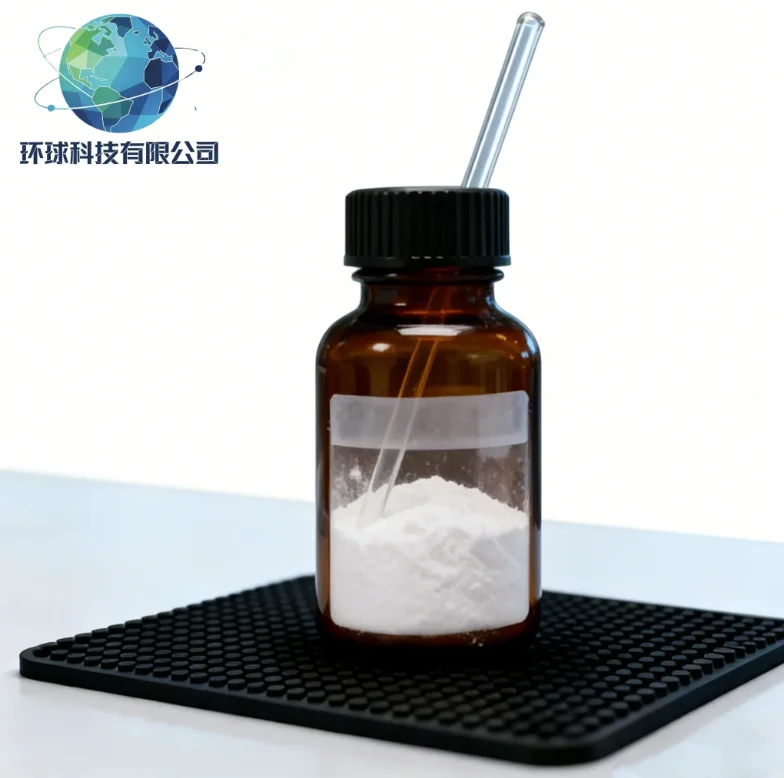
To prevent degradation and polymorphic changes, the drug should be stored in a cool, dry place, away from direct sunlight. Vacuum-sealed amber bottles are recommended. Maintaining a constant temperature below 25°C ensures that the chemical stability of the API remains intact over its shelf life.
Importing the oxandrolone drug API requires comprehensive regulatory documentation, including a Certificate of Analysis (CoA), MSDS (Material Safety Data Sheet), and import permits from the destination country's health authority. Utilizing a licensed pharmaceutical distributor ensures compliance with international customs and narcotics/steroid control laws.
Conclusion
The oxandrolone drug represents a sophisticated balance of chemical engineering and therapeutic utility, offering a targeted approach to combating muscle wasting and supporting recovery in critical care. Through the lens of high-purity manufacturing and rigorous pharmacological standards, it has proven itself an indispensable tool in modern medicine, bridging the gap between basic nutritional support and intensive endocrine therapy. Its ability to promote lean mass while minimizing systemic androgenic side effects underscores the importance of molecular precision in pharmaceutical design.
Looking forward, the integration of AI-driven synthesis and green chemistry will only enhance the accessibility and safety of this compound. As we move toward a future of personalized medicine, the role of the oxandrolone drug will likely expand into new areas of regenerative health and geriatric care. We encourage researchers and healthcare providers to continue exploring the potential of this molecule to improve patient outcomes globally. Visit our website for more technical insights: www.hqtechtirz.com