Antioxidant peptide B

TECHNICAL SPECIFICATIONS
| Item | Specification |
|---|---|
| Product Name | Antioxidant Peptide B |
| CAS NO. | / |
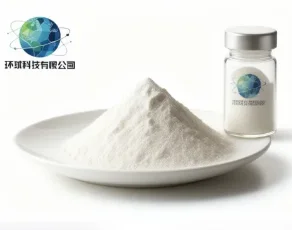
| Appearance | White to off-white lyophilized powder |
| Molecular Formula | C₅₇H₉₁N₁₇O₁₅ |
| Molecular Weight | 1254.47g/mol |
| Purity (RP-HPLC) | ≥ 95.0% |
| Solubility | Soluble in water (≥5 mg/mL); soluble in 0.1 M acetic acid; soluble in DMSO |
| Endotoxin | < 1.0 EU/mg |
| Biological Activity | Inhibits superoxide generation in human neutrophil cell-free systems (IC₅₀ = 47 μM); scavenges free radicals; modulates oxidative stress responses. Used in inflammation, cardiovascular, and antioxidant mechanism research |
| Storage Conditions | Store at -20°C (short-term, up to 1 year); -80°C (long-term, up to 2 years). Protect from light and moisture; avoid repeated freeze-thaw cycles. |
| Stock Location | Stock in USA |
| MOQ | 1g |
1.MECHANISM OF ACTION
- Direct Free Radical Scavenging: The peptide's sequence contains specific amino acid residues (e.g., Tyrosine, Tryptophan, Histidine, Cysteine, Methionine) that can directly donate electrons or hydrogen atoms to quench various free radicals, including hydroxyl radicals (•OH), peroxyl radicals (ROO•), superoxide anion (O₂•⁻), and the stable radical DPPH•. This converts the radicals into inert molecules.
- Metal Ion Chelation: Key residues, particularly Histidine (His) and possibly acidic amino acids, enable the peptide to chelate transition metal ions like iron (Fe²⁺) and copper (Cu²⁺). This prevents these metals from catalyzing the Fenton reaction, a major source of highly damaging hydroxyl radicals.
- Inhibition of Lipid Peroxidation: It can protect cellular membranes by interrupting the chain reaction of lipid peroxidation, stabilizing lipid peroxyl radicals (LOO•).
- Upregulation of Endogenous Defenses (Potential): Some antioxidant peptides may enhance the cell's own antioxidant capacity by modulating signaling pathways like the Nrf2/ARE pathway, leading to increased production of enzymes like superoxide dismutase (SOD), catalase, and glutathione peroxidase.
2.PRODUCT INDICATIONS
- Biochemical & Antioxidant Assays: As a standard or test compound in evaluating antioxidant capacity using assays such as ORAC (Oxygen Radical Absorbance Capacity), TEAC, FRAP, DPPH scavenging, and metal chelation assays.
- Cosmetic & Skincare Research: As an active ingredient in the development of anti-aging, anti-pollution, and photoprotective formulations (serums, creams) to prevent and repair oxidative damage to the skin caused by UV radiation and environmental stressors.
- Nutraceutical & Functional Food Development: Investigating its potential as a bioactive component in dietary supplements and functional foods aimed at promoting systemic health and reducing oxidative stress.
- Biomedical Research: Studying its protective effects in cellular models (e.g., neuronal cells, hepatocytes, endothelial cells) and animal models of diseases where oxidative stress is a key contributor, such as neurodegenerative disorders, cardiovascular diseases, diabetes, and inflammatory conditions.
- Drug Discovery & Formulation: Serving as a lead compound for designing novel antioxidant therapeutics or as a stabilizing/protective agent in formulations.
3.CLINICAL EFFICACY OF PRODUCT
- In Vitro & Preclinical Validation: Strong data from biochemical and cell-based studies demonstrate its ability to reduce oxidative stress markers, protect against cytotoxicity induced by H₂O₂ or other oxidants, and inhibit lipid peroxidation.
- Cosmetic Efficacy: Clinical studies on topical formulations containing antioxidant peptides have shown measurable benefits, including:
- Reduction in the appearance of fine lines and wrinkles.
- Improvement in skin elasticity, firmness, and hydration.
- Enhanced protection against environmental skin damage.
- Nutraceutical Potential: Oral intake of antioxidant peptides in research models has indicated systemic benefits, such as improved antioxidant status in blood, reduced inflammation, and protection of organs from oxidative damage.
- Therapeutic Promise: Research supports the potential of specific antioxidant peptides in mitigating pathology in models of age-related and metabolic diseases, highlighting their promise for future therapeutic development.
4.DELIVERY & SHIPPING
We specialize in global logistics for various cosmetic peptides. Your order will be handled with the utmost care, ensuring safe, reliable, and intact delivery.
Professional and Secure Packaging
Each bottle of peptide is protected with a special packaging solution to ensure stability and integrity during transportation.
We can also customize packaging according to customer needs.
Shipping Methods
Main Method: International Air Freight
We primarily use DHL, FedEx, UPS, and TNT because of their global reliability, speed, and advanced tracking systems. Air freight ensures the fastest transit time and minimizes the impact of environmental factors on the product.