Gastrin Releasing Peptide, procine CAS NO.74815-57-9

Gastrin Releasing Peptide, procine CAS NO.74815-57-9

Gastrin Releasing Peptide, procine CAS NO.74815-57-9

Gastrin Releasing Peptide, procine CAS NO.74815-57-9

Gastrin Releasing Peptide, procine CAS NO.74815-57-9

Gastrin Releasing Peptide, Porcine (CAS: 74815-57-9), commonly referred to as GRP(porcine) or GRP-27, is a 27-amino acid neuropeptide originally isolated from porcine gastric tissue. This bioactive peptide shares high sequence homology with its human counterpart (GRP) and the C-terminal fragment bombesin. It functions as a potent regulator of gastrointestinal hormone secretion, particularly stimulating the release of gastrin from G-cells. 


TECHNICAL SPECIFICATIONS


Item
Specification
Product Name
Gastrin Releasing Peptide, Porcine (pGRP)
CAS NO.
74815-57-9
Appearance
White to off-white lyophilized powder
Molecular Formula
C126H198N38O31S2
Molecular Weight
2805.4 g/mol 
Purity (RP-HPLC)
≥ 95.0%
Solubility

Soluble in water (≥ 10 mg/mL), dilute acetic acid, or DMSO; clear solution at 1 mg/mL in water

Endotoxin< 1.0 EU/mg
Biological Activity
Stimulates gastrin release from G cells in the stomach
 Potent mitogen for gastrointestinal tract and lung cancer cells
Storage Conditions
Store at -20°C to -80°C in a desiccated environment
Avoid repeated freeze-thaw cycles; aliquot for long-term storage
Stock Location
Stock in USA
MOQ
1g


1.MECHANISM OF ACTION

GRP(porcine) exerts its biological effects by binding and activating the Gastrin-Releasing Peptide Receptor (GRPR), a G protein-coupled receptor (GPCR) predominantly of the Gq/11 subtype. Upon ligand binding, the receptor activates phospholipase C (PLC), leading to the hydrolysis of phosphatidylinositol 4,5-bisphosphate (PIP₂) into inositol trisphosphate (IP₃) and diacylglycerol (DAG). IP₃ triggers the release of calcium from intracellular stores, while DAG activates protein kinase C (PKC). 


2.PRODUCT INDICATIONS

Gastrointestinal Physiology Studies: Investigating the regulation of gastric acid secretion, gastrin release, and gastrointestinal motility.
GRP Receptor (GRPR) Research: Serving as a native ligand in receptor binding assays, autoradiography, and signal transduction studies.
Cancer Research: Exploring the role of GRP/GRPR signaling in the proliferation of certain cancer cell lines (e.g., small cell lung cancer, prostate cancer).
Neuroscience Applications: Studying the role of GRP as a neuromodulator in the central nervous system, particularly in behaviors like satiety and stress response.
Smooth Muscle Function Assays: Evaluating its contractile effects on gastrointestinal and bronchial smooth muscle preparations.
Diagnostic Development: Potential use in the development of assays to measure gastrin secretory capacity or GRPR expression


3.CLINICAL EFFICACY OF PRODUCT

Diagnostic Utility: In clinical research settings, synthetic human GRP (or its stable analogs) has been used in gastric function tests (e.g., the GRP stimulation test) to assess gastrinoma or evaluate gastrin secretory capacity, though its use is specialized.
Therapeutic Targeting: The GRP/GRPR system is a recognized target in oncology. GRPR antagonists are being investigated in clinical trials for cancer imaging and therapy, particularly for prostate and breast cancers. For example, radiolabeled GRPR antagonists are used in PET imaging to detect tumors.
Preclinical Evidence: Extensive animal and in vitrostudies using porcine GRP have elucidated its role in stimulating gastrin release, gastric acid secretion, and cellular proliferation, forming the basis for understanding its pathophysiological roles.
No direct clinical efficacy data exists for porcine GRP as a drug. Its value lies in its application in basic and translational research that informs drug discovery and diagnostic development targeting the GRP pathway.


4.DELIVERY & SHIPPING

We specialize in global logistics for various cosmetic peptides. Your order will be handled with the utmost care, ensuring safe, reliable, and intact delivery.
Professional and Secure Packaging
Each bottle of peptide is protected with a special packaging solution to ensure stability and integrity during transportation.
We can also customize packaging according to customer needs.
Shipping Methods 
Main Method: International Air Freight

We primarily use DHL, FedEx, UPS, and TNT because of their global reliability, speed, and advanced tracking systems. Air freight ensures the fastest transit time and minimizes the impact of environmental factors on the product.

Premium API Oxandrolone Ucinky Manufacturing
May 25, 26
Premium API Oxandrolone Ucinky Manufacturing
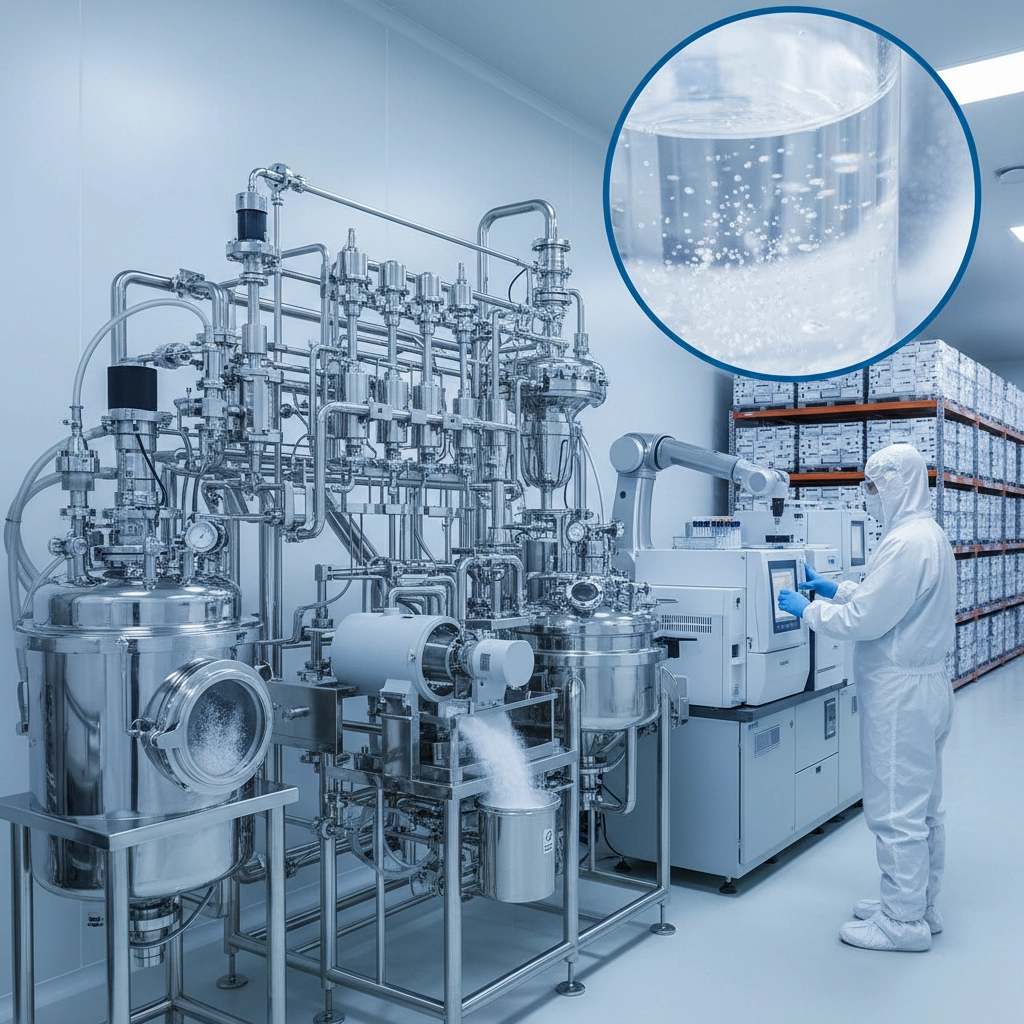
Premium API Oxandrolone Ucinky Manufacturing Leading global supplier of high-purity chemical raw materials for pharmaceutical grade Oxandrolone Ucinky, combining precision engineering with industrial scale. 5000 kg Annual Output 120 Countries Served 5 Days Sample Lead Time 99.7 On-Time Delivery Industrial Precision Pure Chemical Synthesis Engineering the future of pharmaceutical intermediates with unmatched stability. Our facility stands as a global leader in the oxandrolone ucinky sector, utilizing CRYOGENIC CRYSTALLIZATION and advanced chromatography to ensure an assay purity exceeding 99.8. We integrate a fully automated closed-loop system that eliminates human error and contamination.
Clinical Benefits and Applications of Oxandrolone Therapy
May 22, 26
Clinical Benefits and Applications of Oxandrolone Therapy
Oxandrolone therapy represents a sophisticated intersection of endocrine science and regenerative medicine, primarily utilized to address muscle wasting and metabolic dysfunction. In the global pharmaceutical landscape, this specific approach to androgen therapy is valued for its unique ability to promote protein synthesis while exhibiting a lower androgenic profile compared to traditional steroids, making it a critical tool for patients recovering from severe trauma or chronic illness. From a clinical perspective, understanding the nuances of oxandrolone therapy is essential for optimizing patient outcomes in weight gain and tissue repair.
Clinical Benefits and Production of Oxandrolone Steroid
May 20, 26
Clinical Benefits and Production of Oxandrolone Steroid
The global pharmaceutical landscape has seen a significant rise in the demand for highly specialized anabolic agents, among which the oxandrolone steroid stands out due to its unique chemical profile and therapeutic versatility. As a modified version of dihydrotestosterone, this compound provides a potent means of addressing muscle wasting and metabolic deficits, making it a critical asset in both clinical rehabilitation and advanced physiological research. Understanding the nuances of this synthetic compound is essential for healthcare providers and researchers alike, as it balances efficacy with a relatively lower androgenic profile compared to other steroids.

If you are interested in our products, you can choose to leave your information here, and we will be in touch with you shortly.