β-Amyloid (25-35) CAS NO.131602-53-4

TECHNICAL SPECIFICATIONS
| Item | Specification |
|---|---|
| Product Name | β-Amyloid (25-35) |
| CAS NO. | 131602-53-4 |
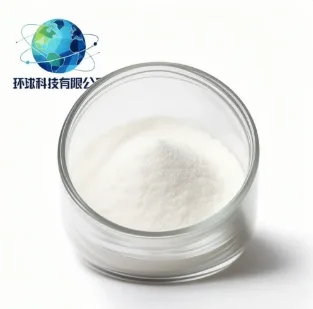
| Appearance | White to off-white lyophilized powder |
| Molecular Formula | C₄₅H₆₅N₁₃O₁₄S |
| Molecular Weight | 1060.15g/mol |
| Purity (RP-HPLC) | ≥ 95.0% |
| Solubility | Soluble in DMSO (≥10 mg/mL); for aqueous solutions, prepare a stock solution in DMSO first, then dilute with buffer . Insoluble in water directly. |
| Endotoxin | < 1.0 EU/mg |
| Biological Activity | -20°C for long-term storage ; avoid repeated freeze-thaw cycles. Store as aliquots in sealed vials, protected from light and moisture. |
| Storage Conditions | Store at -20°C to -80°C in a dry, dark, sealed environment; avoid repeated freeze‑thaw cycles. |
| Stock Location | Stock in USA |
| MOQ | 1g |
1.MECHANISM OF ACTION
- Membrane Disruption & Pore Formation: The fragment, especially in its aggregated form, can interact with and disrupt neuronal cell membranes, potentially forming cation-selective ion channels or pores. This leads to dysregulated calcium (Ca²⁺) and potassium (K⁺) ion homeostasis.
- Induction of Oxidative Stress: It directly and indirectly promotes the generation of reactive oxygen species (ROS), overwhelming cellular antioxidant defenses and damaging lipids, proteins, and DNA.
- Mitochondrial Dysfunction: The peptide targets mitochondria, inducing permeability transition pore (MPTP) opening, reducing membrane potential, and impairing ATP production, ultimately triggering the intrinsic apoptotic pathway.
- Activation of Pro-apoptotic Pathways: It activates key enzymes like caspase-3 and influences signaling pathways (e.g., p38 MAPK, JNK) that lead to programmed cell death.
2.PRODUCT INDICATIONSInflammation: It can activate microglia, the brain's immune cells, leading to the release of pro-inflammatory cytokines that exacerbate neuronal damage.
- Alzheimer's Disease Modeling: As a standard toxin to induce AD-like pathology in cell cultures (primary neurons, neuronal cell lines) and in animal models (rats, mice) via intracerebral injection.
- Neurotoxicity & Neuroprotection Assays: Screening and testing the efficacy of potential neuroprotective compounds, antioxidants, and therapeutic agents by assessing their ability to counteract Aβ(25-35)-induced damage.
- Mechanistic Studies: Investigating the molecular and cellular mechanisms underlying amyloid toxicity, including oxidative stress, calcium dysregulation, apoptosis, and mitochondrial dysfunction.
- Drug Discovery: Used in high-throughput screening platforms to identify novel inhibitors of Aβ aggregation or toxicity for AD treatment.
3.CLINICAL EFFICACY OF PRODUCT
- Validation in Preclinical Research: It has been used in thousands of studies to validate the pathological relevance of the Aβ peptide and to model specific facets of AD. Many compounds showing neuroprotective effects against Aβ(25-35) in preclinical models have advanced to further stages of AD drug development.
- Standardization: It provides a consistent, well-characterized insult to neuronal systems, allowing for the comparison of results across different laboratories and studies.
- Foundation for Therapeutic Strategies: Research using this fragment has been instrumental in identifying the toxic pathways (e.g., oxidative stress, calcium overload) that are now major targets for the development of novel Alzheimer's therapeutics.
4.DELIVERY & SHIPPING
We specialize in global logistics for various cosmetic peptides. Your order will be handled with the utmost care, ensuring safe, reliable, and intact delivery.
Professional and Secure Packaging
Each bottle of peptide is protected with a special packaging solution to ensure stability and integrity during transportation.
We can also customize packaging according to customer needs.
Shipping Methods
Main Method: International Air Freight
We primarily use DHL, FedEx, UPS, and TNT because of their global reliability, speed, and advanced tracking systems. Air freight ensures the fastest transit time and minimizes the impact of environmental factors on the product.