Mastoparan 7 CAS NO.145854-59-7

Mastoparan 7 CAS NO.145854-59-7

Mastoparan 7 CAS NO.145854-59-7

Mastoparan 7 CAS NO.145854-59-7

Mastoparan 7 CAS NO.145854-59-7

Mastoparan 7 is a high-purity synthetic tetradecapeptide analog derived from wasp venom, characterized by its amphipathic α-helical structure and enhanced G-protein activating properties. This 14-amino acid peptide (typically INLKALAALAKKIL-NH₂ or similar modified sequence) is manufactured under stringent quality controls with HPLC-verified purity and comprehensive analytical documentation. As an optimized derivative of natural mastoparan, Mastoparan 7 exhibits increased potency in G-protein activation while maintaining similar membrane-interacting properties. It serves as a valuable research tool for studying signal transduction pathways, membrane permeability, and comparative pharmacology of amphipathic peptides.


TECHNICAL SPECIFICATIONS


Item
Specification
Product Name
Mastoparan 7
CAS NO.
145854-59-7
Appearance
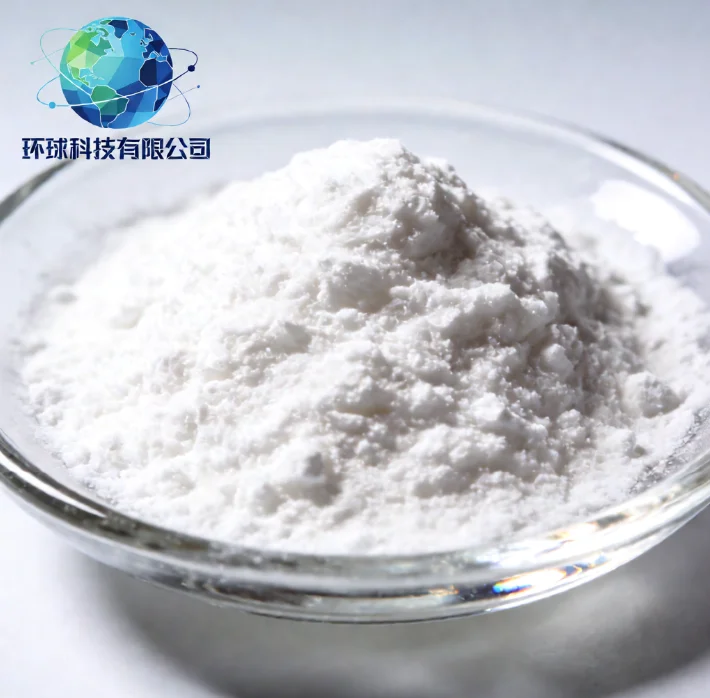
White to off-white lyophilized powder
Molecular Formula
C67H124N18O15
Molecular Weight
 1421.85g/mol 
Purity (RP-HPLC)
≥ 95.0%
Solubility

Soluble in water, PBS (pH 7‑8), DMSO

Endotoxin< 1.0 EU/mg
Biological Activity
Mastoparan analogues possess G protein activation, membrane permeability regulation, antibacterial, and secretion-promoting activities, and are used in signal transduction, cell biology, and drug research.
Storage Conditions
Store at -20°C or below, protected from light and moisture. After reconstitution, aliquot and store at -20°C
Stock Location
Stock in USA
MOQ
1g


1.MECHANISM OF ACTION

Mastoparan 7 functions through its amphipathic α-helical structure that enables direct interaction with G-protein α-subunits and cell membranes. Unlike receptor-mediated activation, Mastoparan 7 directly stimulates guanine nucleotide exchange on Gi/Go-type G-proteins by mimicking the intracellular loops of activated GPCRs, leading to GDP-GTP exchange and downstream signaling activation. The peptide's enhanced amphipathicity and cationic charge distribution compared to natural mastoparan result in higher affinity for G-protein binding sites. Additionally, Mastoparan 7 can interact with nucleoside diphosphate kinase (NDPK) to facilitate GTP formation, modulate membrane permeability through transient pore formation, and influence calcium signaling pathways. Its mechanism is characterized by receptor-independent, direct G-protein activation with increased efficacy in reconstituted systems.


2.PRODUCT INDICATIONS

G-Protein Signaling Research: Study of Gi/Go protein activation kinetics, GTPase activity, and signal transduction mechanisms
Comparative Pharmacology: Investigation of structure-activity relationships in mastoparan analogs and amphipathic peptides
Membrane Biology Studies: Analysis of peptide-membrane interactions, lipid bilayer permeability, and membrane protein function
Signal Transduction Screening: Evaluation of G-protein modulators and receptor-independent signaling pathways
Pharmacological Tool Development: Optimization of peptide-based research reagents for cell signaling studies
Antimicrobial Mechanism Research: Exploration of membrane-disrupting properties against microbial pathogens


3.CLINICAL EFFICACY OF PRODUCT

Enhanced Potency: Demonstrated 2-3 fold higher G-protein activating efficacy compared to natural mastoparan in reconstituted systems
High Purity: ≥95% by RP-HPLC with mass spectrometry confirmation of sequence and C-terminal amidation
Sequence Authenticity: Verified modified mastoparan sequence with optimized amphipathic properties
Biological Activity: Validated in G-protein activation assays, GTPase activity measurements, and membrane interaction studies
Research Reproducibility: Consistent performance across multiple assay platforms and experimental conditions
Low Endotoxin:<1.0 eu="">
Quality Documentation: Certificate of Analysis provided with comprehensive analytical data including purity, mass spec, and functional validation
Technical Support: Access to application guidance for G-protein signaling and peptide pharmacology research


4.DELIVERY & SHIPPING

We specialize in global logistics for various cosmetic peptides. Your order will be handled with the utmost care, ensuring safe, reliable, and intact delivery.
Professional and Secure Packaging
Each bottle of peptide is protected with a special packaging solution to ensure stability and integrity during transportation.
We can also customize packaging according to customer needs.
Shipping Methods 
Main Method: International Air Freight

We primarily use DHL, FedEx, UPS, and TNT because of their global reliability, speed, and advanced tracking systems. Air freight ensures the fastest transit time and minimizes the impact of environmental factors on the product.

High Purity Neurotensin Analogs and Exemestane Class Probes
Jul 06, 26
High Purity Neurotensin Analogs and Exemestane Class Probes
The pharmaceutical landscape is constantly evolving, with a significant focus on the development of highly specific ligands to decode complex biological systems. Within this context, the study of the exemestane class of research toolsspecifically high-purity peptide analogsplays a pivotal role in understanding receptor-mediated signaling. By utilizing precise molecular modifications, researchers can now probe the intricacies of the neurotensin system with unprecedented accuracy. Globally, the demand for specialized research probes has surged as medicinal chemistry shifts toward rational drug design. The ability to modulate binding affinity and selectivity between receptor subtypes is no longer a luxury but a necessity
Industrial Purity of Juice WATER pNA and exemestane 25 mg bodybuilding
Jul 03, 26
Industrial Purity of Juice WATER pNA and exemestane 25 mg bodybuilding
The landscape of biochemical analysis has been significantly transformed by the introduction of high-precision substrates, a field where the concept of exemestane 25 mg bodybuilding often appears in search queries despite the stark difference between clinical aromataze inhibitors and laboratory reagents. In the realm of pharmaceutical manufacturing and food science, the ability to quantify protease activity with absolute precision is paramount for maintaining product stability and quality. Understanding the mechanism of chromogenic substrates allows researchers to bridge the gap between raw biochemical data and commercial application.
Understanding the Therapeutic Role of exemestane drug class
Jul 01, 26
Understanding the Therapeutic Role of exemestane drug class
Understanding the Exemestane Drug Class and Its Therapeutic Role In the realm of endocrine therapy for breast cancer, identifying the correct exemestane drug class is critical for optimizing patient outcomes. Exemestane belongs to a specialized group of medications designed to inhibit the production of estrogen, which fuels the growth of hormone-receptor-positive breast cancers. Unlike earlier generations of hormone therapies, this class offers a more direct approach to enzymatic inhibition. By targeting the final step of estrogen synthesis, it provides a robust mechanism for managing postmenopausal oncology cases. Understanding the nuances of this pharmacological category allows researchers and clinicians to better navigate

If you are interested in our products, you can choose to leave your information here, and we will be in touch with you shortly.