Melanocyte Protein PMEL 17 (256-264) (human, bovine, mouse)

Melanocyte Protein PMEL 17 (256-264) (human, bovine, mouse)

Melanocyte Protein PMEL 17 (256-264) (human, bovine, mouse)

Melanocyte Protein PMEL 17 (256-264) (human, bovine, mouse)

Melanocyte Protein PMEL 17 (256-264) (human, bovine, mouse)

Melanocyte Protein PMEL 17 (256-264) (human, bovine, mouse) is a synthetic peptide fragment corresponding to the conserved immunodominant epitope of the PMEL17/gp100 protein, a melanocyte differentiation antigen expressed in melanoma cells. This research-grade reagent is available as a lyophilized powder with high purity and is specifically designed for immunological studies, particularly in cancer immunotherapy research. The peptide sequence (KVPRNQDWL) is identical across human, bovine, and mouse species, making it a versatile tool for cross-species comparative studies and translational research applications in both academic and pharmaceutical settings.


TECHNICAL SPECIFICATIONS


Item
Specification
Product Name
 Melanocyte Protein PMEL 17 (256-264) (human, bovine, mouse)
CAS NO.
/
Appearance
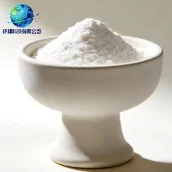
White to off-white lyophilized powder
Molecular Formula
 C44H67N9O14
Molecular Weight
 946.08g/mol 
Purity (RP-HPLC)
≥ 95.0%
Solubility

It is readily soluble in water, physiological saline, or PBS buffer. It is recommended to prepare a stock solution of 1-10 mg/mL using sterile water or PBS, aliquot, and store at ≤-20°C. It is also soluble in a small amount of DMSO (<1%), followed="" by="" dilution="" with="" experimental="" buffer.="">

Endotoxin< 1.0 EU/mg
Biological Activity
This peptide is an immunodominant epitope of the melanoma-associated antigen PMEL17/gp100 and can be recognized by HLA-A*0201-restricted cytotoxic T lymphocytes. In in vitro experiments, it effectively stimulates the proliferation and cytokine secretion of antigen-specific CTLs and is often used to assess anti-tumor immune responses. Specific activity needs to be verified through T cell activation assays.
Storage Conditions
Store at -20°C or lower in a dry environment away from light; it is stable for a long time. After reconstitution: Aliquot and freeze at ≤-20°C or -80°C, avoiding repeated freeze-thaw cycles.
Stock Location
Stock in USA
MOQ
1g


1.MECHANISM OF ACTION

The mechanism of action of this peptide involves its presentation by HLA-A0201 molecules on antigen-presenting cells, where it is recognized by specific CD8+ cytotoxic T lymphocytes (CTLs) through their T-cell receptors. This peptide-MHC class I complex engagement triggers CTL activation, proliferation, and the release of cytotoxic molecules such as perforin and granzymes, leading to the targeted lysis of antigen-expressing cells. The high-affinity binding of this epitope to HLA-A0201 and its efficient processing and presentation make it a potent immunogen for eliciting antigen-specific T-cell responses, which is the basis for its use in cancer vaccine development and adoptive T-cell therapy research.


2.PRODUCT INDICATIONS

This PMEL17 peptide is indicated for research use only in the fields of tumor immunology, cancer immunotherapy, and melanoma research. It is specifically employed as an antigenic stimulus in studies investigating T-cell responses, epitope mapping, and the development of cancer vaccines and adoptive cell therapies. The product serves as a standard reagent for characterizing antigen-specific CTL responses, validating diagnostic assays, and evaluating the efficacy of immunotherapeutic approaches in preclinical models. It is also used in cell-based assays to study antigen presentation, T-cell activation, and immune monitoring in both in vitro and in vivo settings.


3.CLINICAL EFFICACY OF PRODUCT

As a research reagent, Melanocyte Protein PMEL 17 (256-264) does not have established clinical efficacy for therapeutic use in human patients. Its utility is confined to preclinical research applications, where it has been used to study melanoma immunology and develop experimental immunotherapeutic strategies. While research using this peptide has contributed to the understanding of tumor antigen-specific immune responses and has facilitated the development of clinical-stage cancer immunotherapies, the product itself has not been evaluated in clinical trials for safety or efficacy. Any potential clinical applications derived from research findings would require separate development of therapeutic products that undergo rigorous clinical testing and regulatory approval.


4.DELIVERY & SHIPPING

We specialize in global logistics for various cosmetic peptides. Your order will be handled with the utmost care, ensuring safe, reliable, and intact delivery.
Professional and Secure Packaging
Each bottle of peptide is protected with a special packaging solution to ensure stability and integrity during transportation.
We can also customize packaging according to customer needs.
Shipping Methods 
Main Method: International Air Freight

We primarily use DHL, FedEx, UPS, and TNT because of their global reliability, speed, and advanced tracking systems. Air freight ensures the fastest transit time and minimizes the impact of environmental factors on the product.

Premium API Oxandrolone Ucinky Manufacturing
May 25, 26
Premium API Oxandrolone Ucinky Manufacturing
Premium API Oxandrolone Ucinky Manufacturing Leading global supplier of high-purity chemical raw materials for pharmaceutical grade Oxandrolone Ucinky, combining precision engineering with industrial scale. 5000 kg Annual Output 120 Countries Served 5 Days Sample Lead Time 99.7 On-Time Delivery Industrial Precision Pure Chemical Synthesis Engineering the future of pharmaceutical intermediates with unmatched stability. Our facility stands as a global leader in the oxandrolone ucinky sector, utilizing CRYOGENIC CRYSTALLIZATION and advanced chromatography to ensure an assay purity exceeding 99.8. We integrate a fully automated closed-loop system that eliminates human error and contamination.
Clinical Benefits and Applications of Oxandrolone Therapy
May 22, 26
Clinical Benefits and Applications of Oxandrolone Therapy
Oxandrolone therapy represents a sophisticated intersection of endocrine science and regenerative medicine, primarily utilized to address muscle wasting and metabolic dysfunction. In the global pharmaceutical landscape, this specific approach to androgen therapy is valued for its unique ability to promote protein synthesis while exhibiting a lower androgenic profile compared to traditional steroids, making it a critical tool for patients recovering from severe trauma or chronic illness. From a clinical perspective, understanding the nuances of oxandrolone therapy is essential for optimizing patient outcomes in weight gain and tissue repair.
Clinical Benefits and Production of Oxandrolone Steroid
May 20, 26
Clinical Benefits and Production of Oxandrolone Steroid
The global pharmaceutical landscape has seen a significant rise in the demand for highly specialized anabolic agents, among which the oxandrolone steroid stands out due to its unique chemical profile and therapeutic versatility. As a modified version of dihydrotestosterone, this compound provides a potent means of addressing muscle wasting and metabolic deficits, making it a critical asset in both clinical rehabilitation and advanced physiological research. Understanding the nuances of this synthetic compound is essential for healthcare providers and researchers alike, as it balances efficacy with a relatively lower androgenic profile compared to other steroids.

If you are interested in our products, you can choose to leave your information here, and we will be in touch with you shortly.