
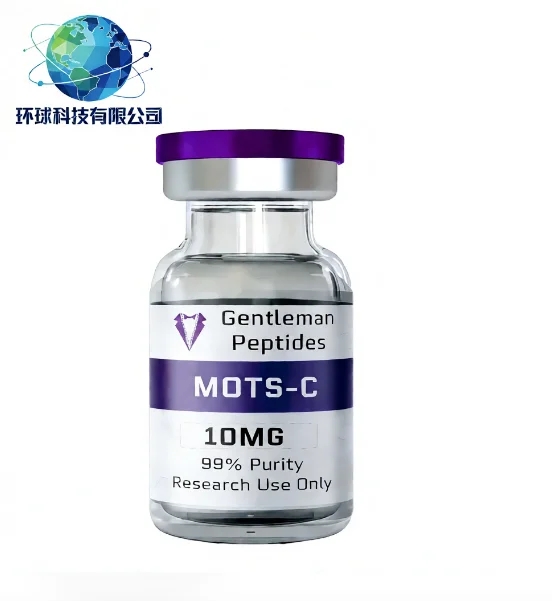
Mots-c CAS NO.1627580-64-6

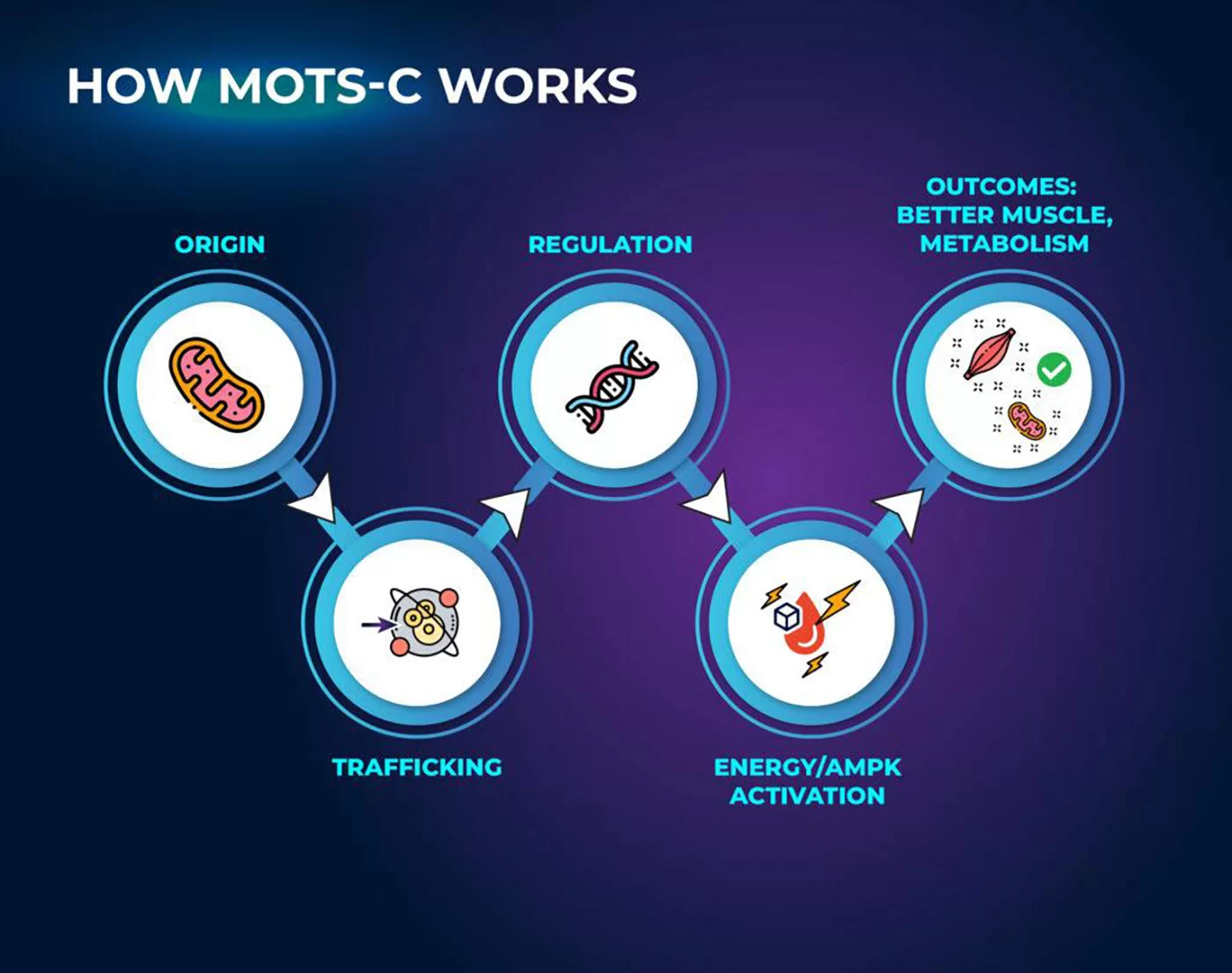
Mots-C is a peptide derived from mitochondria that regulates energy metabolism at the cellular level. It primarily activates AMPK (AMP-activated protein kinase), a key enzyme that controls energy balance and cellular metabolism.
1. Mitochondrial Energy Regulation: Mots-C activates AMPK, enhancing mitochondrial biogenesis and improving cellular energy production. This leads to better energy utilization and improved overall metabolic efficiency.
2. Fat and Glucose Metabolism: By activating AMPK, Mots-C promotes fat oxidation, increases fat burning, and helps improve glucose uptake in tissues. This mechanism supports weight loss, enhances insulin sensitivity, and helps in managing obesity and insulin resistance.
3. Muscle Preservation: Mots-C supports muscle protein synthesis, which helps preserve lean muscle mass, especially during periods of aging, intense exercise, or caloric restriction. It also promotes muscle recovery after physical stress.
4. Anti-Aging: Through its mitochondrial activity, Mots-C reduces oxidative stress, helping to protect cells from damage associated with aging. This makes it a valuable agent for improving overall cellular health and longevity.
1. Metabolic Diseases: Mots-C has been shown to improve insulin sensitivity and regulate glucose metabolism, making it effective in managing type 2 diabetes and other metabolic disorders.
2. Obesity and Weight Management: Mots-C is a powerful tool for promoting fat loss and managing obesity by enhancing fat burning and improving energy expenditure. It can help reduce visceral fat and improve body composition.
3. Anti-Aging: Mots-C has anti-aging properties, enhancing mitochondrial function, reducing oxidative stress, and protecting cells from age-related decline. It supports cellular rejuvenation and longevity.
4. Muscle Preservation and Recovery: Mots-C promotes muscle repair and prevents muscle loss during aging or periods of weight loss, making it beneficial for individuals looking to maintain lean muscle mass and improve recovery.
In clinical studies, Mots-C has shown significant potential in improving metabolic function, enhancing fat metabolism, and supporting muscle health. Its anti-aging effects have also been widely researched.
1. Improved Metabolic Health: Clinical trials have demonstrated that Mots-C can improve insulin sensitivity, promote glucose metabolism, and reduce blood sugar levels, making it a promising treatment for type 2 diabetes and insulin resistance.
2. Fat Loss and Body Composition: Studies have indicated that Mots-C can enhance fat oxidation, leading to a reduction in fat mass, particularly visceral fat. This makes it a potent agent for managing obesity and promoting healthy weight loss.
3. Muscle Preservation: Mots-C is shown to preserve lean muscle mass by promoting muscle protein synthesis and reducing muscle breakdown. This makes it valuable for athletes, elderly individuals, and those undergoing caloric restriction.
4. Anti-Aging Effects: Through its ability to improve mitochondrial function and reduce oxidative stress, Mots-C has demonstrated significant anti-aging effects in preclinical studies. It helps protect cells from oxidative damage, slowing down the aging process at the cellular level.
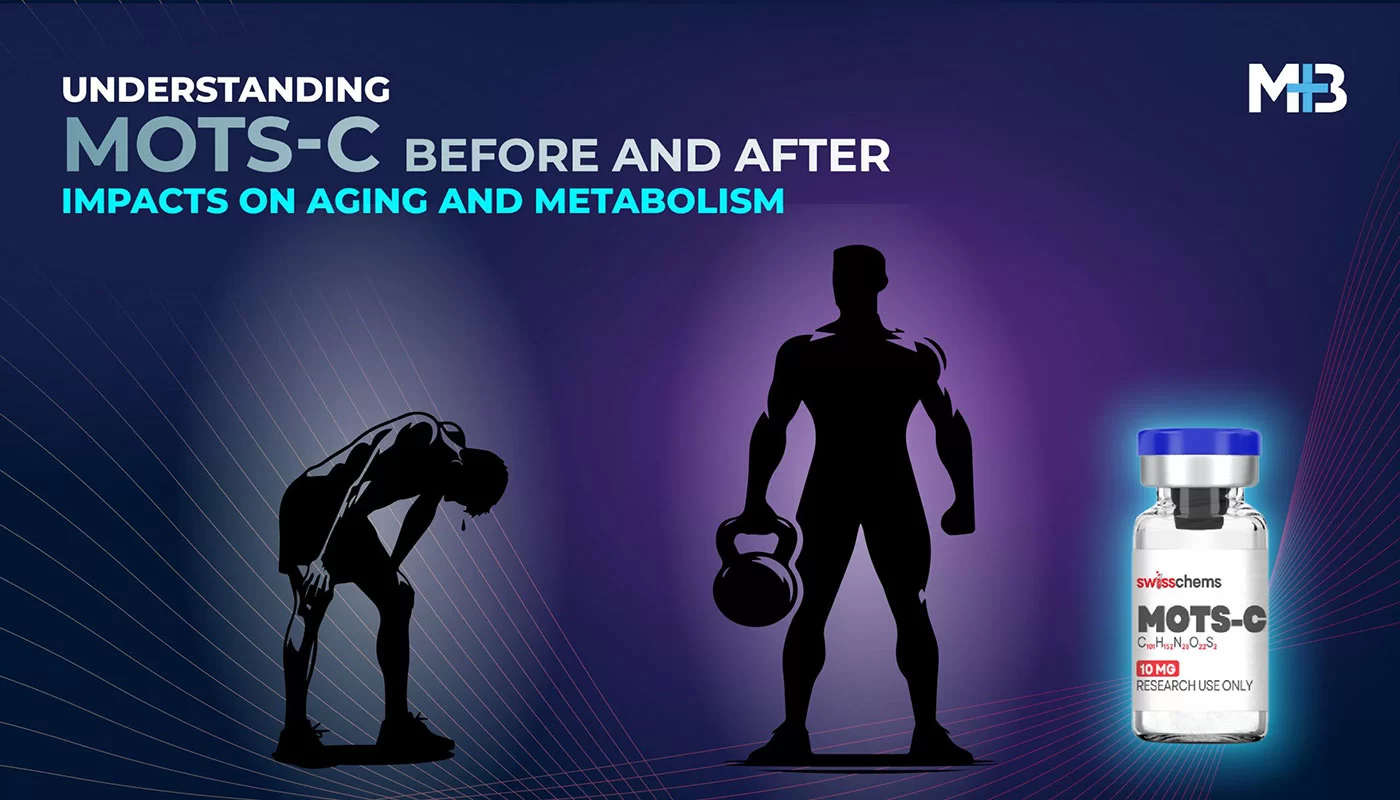
MOTS-c benefits
MOTS-c is a mitochondrial-derived peptide that has gained attention in scientific research for its potential role in metabolic regulation and cellular energy balance. It is believed to influence how cells produce and utilize energy, making it an important focus in studies related to aging, metabolism, and physical performance.
One of the main benefits observed in research is its possible effect on metabolic health. MOTS-c may help improve insulin sensitivity and support glucose utilization, which is why it is being studied in the context of metabolic disorders such as insulin resistance.
Another key area of interest is its role in energy production and endurance. MOTS-c is thought to activate pathways that enhance mitochondrial function, helping cells produce energy more efficiently. This has led to research exploring its potential impact on physical performance and fatigue resistance.
It is also being studied for its possible involvement in weight and fat metabolism regulation. By influencing how the body processes nutrients and stores energy, it may contribute to improved metabolic balance in experimental models.
Additionally, MOTS-c is associated with cellular stress response and aging research, as it may help cells adapt to metabolic stress conditions and maintain function over time.
Overall, MOTS-c is considered a promising research peptide in the fields of metabolism, energy regulation, and longevity science, though its effects in humans are still under investigation.
What does the MOTS-c peptide do?
MOTS-c is a mitochondrial-derived peptide that plays an important role in regulating cellular energy metabolism and stress response. It is naturally encoded within mitochondrial DNA and is released in response to metabolic stress, helping the body adapt to changing energy demands.
One of its primary functions is supporting glucose and insulin regulation. Research suggests that MOTS-c may improve insulin sensitivity and enhance how cells utilize glucose for energy. This makes it a key focus in studies related to metabolic health and conditions such as insulin resistance.
MOTS-c is also associated with enhancing mitochondrial function, which is essential for energy production in cells. By influencing mitochondrial signaling pathways, it may help increase energy efficiency and reduce cellular fatigue, particularly under conditions of physical or metabolic stress.
Another important area of research is its potential role in fat metabolism and weight regulation. MOTS-c may help the body better balance energy intake and expenditure, supporting improved metabolic flexibility in experimental models.
In addition, it is studied for its involvement in the cellular stress response, where it may help cells adapt to stressors such as exercise, fasting, or aging-related metabolic decline.
Overall, MOTS-c is considered a promising peptide in research focused on metabolism, energy production, and longevity, although its effects in humans are still being studied and not yet fully confirmed clinically.
Can I take MOTS-c every day?
MOTS-c is a mitochondrial-derived peptide that is currently only studied in preclinical and early research settings, and its long-term safety in humans has not been fully established. Because of this, there are no approved medical guidelines or standardized recommendations for daily use.
In laboratory studies, MOTS-c has shown interesting effects on metabolic regulation, insulin sensitivity, and cellular energy balance, but these findings are primarily based on animal or cell research. Human clinical data is still very limited, which means the long-term impact of repeated or daily administration is not well understood.
Since it is not an FDA-approved drug or supplement, taking MOTS-c every day carries unknown risks, including potential effects on metabolism, hormonal balance, or cellular signaling pathways over time. Without controlled clinical trials, it is impossible to confirm whether daily use is safe or appropriate.
Researchers generally treat MOTS-c as an experimental peptide, used under controlled conditions rather than as a routine daily compound. Its effects can vary depending on dosage, frequency, and individual biological response.
Overall, while MOTS-c shows promising research potential in energy metabolism and aging studies, daily use in humans is not medically established or recommended. More clinical research is needed before safe long-term dosing guidelines can be determined.
![[Met5, Lys6,7] a-Neo-Endorphin (1-7) CAS NO.80237-40-7](https://images.cnmqh.com/images/a10134/584ca82f0e981576e512d231ceff4bdb-20260430025708.webp "[Met5, Lys6,7] a-Neo-Endorphin (1-7) CAS NO.80237-40-7")
![[Des-Tyr1]- g-Endorphin CAS NO.67810-56-4](https://images.cnmqh.com/images/a10134/224bf6904454ba75bd2a7ead4da8ca48-20260430020717.webp "[Des-Tyr1]- g-Endorphin CAS NO.67810-56-4")
![[Arg8]-a-Neo-Endorphin (1-8) CAS NO.75106-72-8](https://images.cnmqh.com/images/a10134/53c21276be4dd9fa27d00fb3a582eeb0-20260430014312.webp "[Arg8]-a-Neo-Endorphin (1-8) CAS NO.75106-72-8")