Type A Allatostatin I CAS NO.123338-10-3

TECHNICAL SPECIFICATIONS
| Item | Specification |
|---|---|
| Product Name | Type A Allatostatin I |
| CAS NO. | 123338-10-3 |
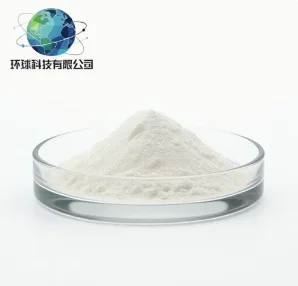
| Appearance | White to off-white lyophilized powder |
| Molecular Formula | C₆₁H₉₄N₁₈O₁₆ |
| Molecular Weight | 1335.51 g/mol |
| Purity (RP-HPLC) | ≥ 95.0% |
| Solubility | Soluble in water (≥5 mg/ml), DMSO, dilute aqueous buffers (PBS, Tris‑HCl, pH 7.0-8.0); Slightly soluble in methanol/ethanol. |
| Endotoxin | < 1.0 EU/mg |
| Biological Activity | Tridecapeptide neuropeptide; potent inhibitor of juvenile hormone (JH) synthesis by insect corpora allata; modulates insect development, reproduction, and feeding; research tool for insect endocrinology, pest control target validation, and neuropeptide signaling studies |
| Storage Conditions | Store at -20°C to -80°C in a dry, dark, sealed environment; avoid repeated freeze‑thaw cycles (aliquot for single use); short‑term storage (≤2 weeks) at 2-8°C. |
| Stock Location | Stock in USA |
| MOQ | 1g |
1.MECHANISM OF ACTION
- Receptor Binding: The peptide binds with high affinity to Allatostatin A receptors (AST-ARs) present on the membrane of endocrine cells, such as those in the corpora allata, and neurons.
- Inhibition of Adenylate Cyclase: Receptor activation typically couples to Gi/o proteins, leading to the inhibition of adenylate cyclase. This results in a decrease in intracellular cyclic AMP (cAMP) levels.
- Suppression of Juvenile Hormone Synthesis: In the corpora allata, the drop in cAMP and associated signaling cascades directly inhibits the enzymes and pathways required for the biosynthesis of juvenile hormone (JH). JH is a key hormone that promotes juvenile characteristics and vitellogenesis (yolk production).
- Neuromodulation: In the nervous system, AST-As act as inhibitory neurotransmitters or neuromodulators, affecting muscle contraction (especially gut motility), neural excitability, and other physiological processes.
2.PRODUCT INDICATIONS
- Insect Endocrinology & Physiology: Studying the regulation of juvenile hormone titers, metamorphosis, reproduction (vitellogenesis), and diapause.
- Neurobiology: Investigating the role of allatostatins as inhibitory neurotransmitters/modulators in the insect central and stomatogastric nervous systems, particularly their myoinhibitory effects on gut and heart muscle.
- Comparative Zoology: Exploring the evolution of neuropeptide systems across arthropods.
- Integrated Pest Management (IPM) Research: As a lead compound for developing novel, species-specific insect growth regulators (IGRs) that disrupt development and reproduction without affecting non-target organisms.
3.CLINICAL EFFICACY OF PRODUCT
- Validated Biological Activity: It is a proven, potent inhibitor of JH biosynthesis in multiple insect species, with clear effects on development and reproduction in experimental models.
- Research Tool Efficacy: It is an indispensable reagent for mapping neuroendocrine circuits and understanding the hormonal control of insect life cycles.
- Therapeutic Potential in Pest Control: Research using this peptide provides the foundational knowledge required to design stable peptide analogs, mimetics, or receptor-targeting agents that could serve as next-generation, environmentally friendly biorational pesticides. Its high specificity for insect systems makes it an attractive template for such development.
4.DELIVERY & SHIPPING
We specialize in global logistics for various cosmetic peptides. Your order will be handled with the utmost care, ensuring safe, reliable, and intact delivery.
Professional and Secure Packaging
Each bottle of peptide is protected with a special packaging solution to ensure stability and integrity during transportation.
We can also customize packaging according to customer needs.
Shipping Methods
Main Method: International Air Freight
We primarily use DHL, FedEx, UPS, and TNT because of their global reliability, speed, and advanced tracking systems. Air freight ensures the fastest transit time and minimizes the impact of environmental factors on the product.