LL-37 FKR is a synthetic fragment of the human cathelicidin antimicrobial peptide LL-37, specifically designed to retain potent bioactivity while improving stability and solubility. This peptide is widely used in biomedical research for its ability to combat bacterial and viral infections, modulate immune responses, and promote tissue repair. Ideal for researchers in microbiology, immunology, and dermatology, LL-37 FKR offers high purity and consistent performance in vitro and in vivo. Its compact structure and enhanced formulation make it suitable for a broad range of experimental applications, from antimicrobial efficacy studies to wound healing assays.
β-Amyloid (10-20) is a synthetic peptide fragment widely utilized in neurological research to investigate the molecular mechanisms underlying Alzheimer's disease and amyloid aggregation. This high-purity peptide serves as a critical tool for scientists exploring the structural dynamics of beta-amyloid peptides and their role in neurodegeneration. Its well-defined sequence and consistent quality make it ideal for in vitro and in vivo experimental models aimed at understanding disease progression and evaluating potential therapeutic interventions. Researchers value this compound for its reliability in generating reproducible data across various biochemical and biophysical assays.
![[D-Val22] Big Endothelin-1 (16-38), human CAS NO.158884-64-1](https://images.cnmqh.com/images/a10134/84fcb8d6395df442ab3efc012ae72485-20260507034956.webp "[D-Val22] Big Endothelin-1 (16-38), human CAS NO.158884-64-1")
[D-Val22] Big Endothelin-1 (16-38), human is a synthetic peptide analog derived from the Big ET-1 precursor, engineered with a D-amino acid substitution at position 22 to confer enhanced proteolytic stability. This high-purity research-grade peptide functions as a potent inhibitor of endothelin-converting enzyme (ECE), effectively blocking the maturation of Big ET-1 into active Endothelin-1. It is a critical tool for scientists investigating the endothelin system's role in cardiovascular regulation, neurovascular coupling, and hypertension pathophysiology, providing a stable and specific means to modulate this signaling axis in vitro and in vivo.
ACTH (1-14) is a synthetic peptide fragment of adrenocorticotropic hormone (ACTH), designed to activate the hypothalamic - pituitary - adrenal (HPA) axis. It is suitable for researchers studying endocrine regulation, stress responses, and adrenal function, as well as for pharmaceutical development focused on glucocorticoid - related therapies. With high purity and reliable activity, it enables precise investigation of ACTH - mediated biological mechanisms.
Succinyl-(Glu9,Ala11,15)-Endothelin-1 (8-21), widely known in research as IRL-1620 or Sovateltide, is a potent and highly selective synthetic peptide agonist targeting the Endothelin B (ETB) receptor. This modified fragment of Endothelin-1 is engineered with specific amino acid substitutions (Glu9, Ala11,15) and an N-terminal succinyl group to enhance receptor specificity and metabolic stability. It is extensively utilized in cardiovascular, neurological, and oncology research to study vasodilation, cerebral blood flow regulation, and neuroprotection mechanisms, serving as a critical tool for investigating ETB-mediated signaling pathways in both in vitro and in vivo models.
ACTH (1-4) is a synthetic tetrapeptide fragment derived from the N-terminal region of adrenocorticotropic hormone, widely utilized in biochemical and pharmacological research to study melanocortin receptor signaling pathways. This high-purity peptide serves as a valuable tool for investigating adrenal cortex function, steroidogenesis regulation, and the anti-inflammatory effects mediated by melanocortin receptors. Researchers in endocrinology, immunology, and neurobiology leverage its specific receptor-binding profile to explore cellular responses and develop novel therapeutic strategies targeting the hypothalamic-pituitary-adrenal axis.
ACTH (18-39), human is a synthetic peptide fragment derived from the C-terminal region of adrenocorticotropic hormone, widely utilized in endocrine and immunological research. This peptide acts as a selective ligand for melanocortin receptors, particularly MC2R, and is instrumental in studying adrenal cortex function and glucocorticoid production. Researchers leverage its ability to modulate inflammatory responses and steroidogenesis, making it invaluable for exploring adrenal disorders and immune system interactions in both in vitro and in vivo models.
ACTH (1-24), human is a synthetic peptide fragment derived from the full-length adrenocorticotropic hormone, widely utilized in endocrine and metabolic research. It serves as a valuable research tool for studying adrenal gland function, steroidogenesis, and melanocortin receptor signaling pathways. Researchers leverage its ability to stimulate cortisol production without the full physiological complexity of longer ACTH isoforms, making it ideal for in vitro cellular assays and mechanistic studies in both human and animal models.
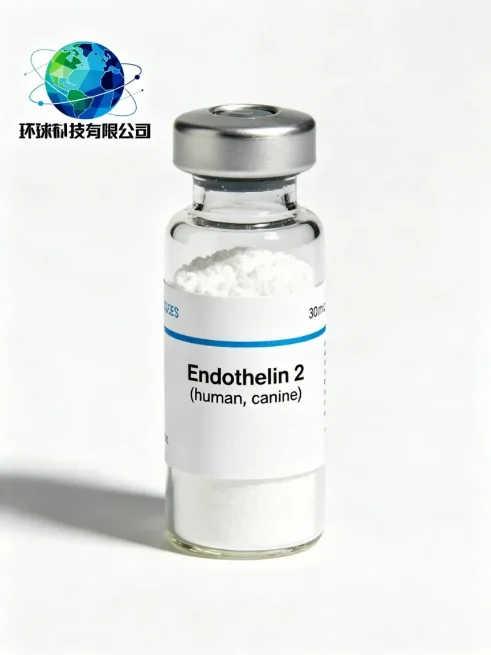
Endothelin 2 (human, canine) is a potent 21-amino acid vasoactive peptide that plays a critical role in regulating vascular tone and cellular proliferation. As one of the three known endothelin isoforms, it is widely utilized in cardiovascular and oncology research to study pathological mechanisms related to hypertension, atherosclerosis, and tumor microenvironment regulation. This high-purity reagent is essential for scientists investigating G-protein coupled receptor signaling and developing novel therapeutic strategies targeting the endothelin system.
ACTH (1-13), human is a synthetic peptide fragment corresponding to the N-terminal region of the adrenocorticotropic hormone, widely utilized in scientific research to study adrenal cortex stimulation and melanocortin receptor signaling. This fragment retains significant biological activity in vitro and in vivo models, making it an essential reagent for endocrinologists, neuroscientists, and pharmacologists investigating stress responses, steroidogenesis, and energy homeostasis without the full-length peptide's complex regulatory interactions.
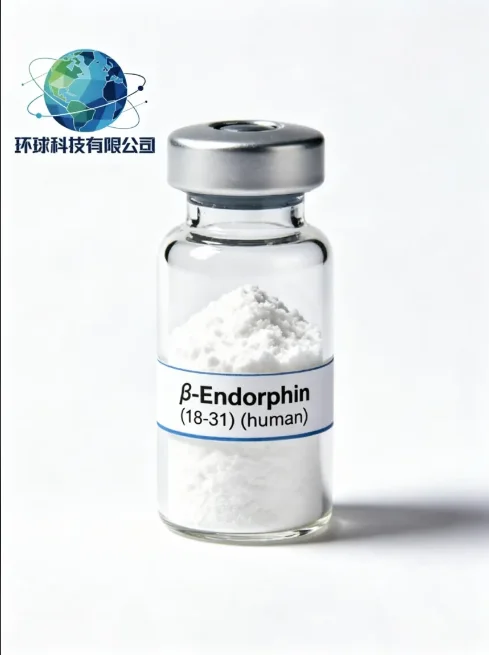
β-Endorphin (18-31) (human) is a C-terminal fragment derived from the endogenous opioid peptide β-Endorphin, specifically designed for advanced biochemical and pharmacological research. Unlike the full-length peptide, this fragment lacks the N-terminal enkephalin sequence required for classical opioid receptor binding, making it an ideal tool for investigating non-opioid signaling pathways, immune modulation, and the structural determinants of endorphin function in experimental settings.
ACTH (1-39), rat is a synthetic replicate of the full-length adrenocorticotropic hormone naturally secreted by the anterior pituitary gland in rodents, specifically designed for comparative endocrinology and veterinary research. This peptide serves as a critical research tool for studying adrenal gland function, steroidogenesis, and the physiological stress response in rat models, offering high biological relevance for species-specific investigations. Researchers utilize this reagent to explore hypothalamic-pituitary-adrenal axis dynamics and to evaluate the impact of hormonal regulation on metabolism and immune function in preclinical settings.