Sarafloxacin CAS NO. 98105-99-8

Sarafloxacin is a synthetic, third-generation fluoroquinolone antibiotic developed primarily for veterinary and microbiological research use, exhibiting potent broad-spectrum bactericidal activity against Gram-negative and selected Gram-positive pathogens. It is a key reference standard in antimicrobial residue analysis, veterinary pharmaceutical development, and in vitro susceptibility testing for food-animal and aquaculture pathogens.

Fibrinolysis Inhibitng Factor CAS NO.67869-62-9

Fibrinolysis Inhibiting Factor (commonly referred to as GPRP tetrapeptide, H-Gly-Pro-Arg-Pro-OH) is a synthetic research-grade peptide that mimics the N-terminal "knob" region of the fibrin α-chain, supplied as a white to off-white lyophilized powder with ≥95% purity by RP-HPLC. It is specifically designed for coagulation biology and hemostasis research, functioning as a classical tool to modulate fibrin polymerization and protect fibrinogen-fibrin complexes from plasmin degradation in controlled in vitro experimental systems.
Bombesin CAS NO.31362-50-2

Bombesin is a high-purity synthetic tetradecapeptide and a potent homologue of mammalian gastrin-releasing peptide (GRP), supplied as a lyophilized powder with ≥95% purity verified by HPLC. It serves as a critical bioactive reference standard in neuroendocrinology, gastrointestinal physiology, and oncological research, specifically designed for in vitrocellular assays and in vivoanimal model experiments to elucidate peptide-receptor interactions.
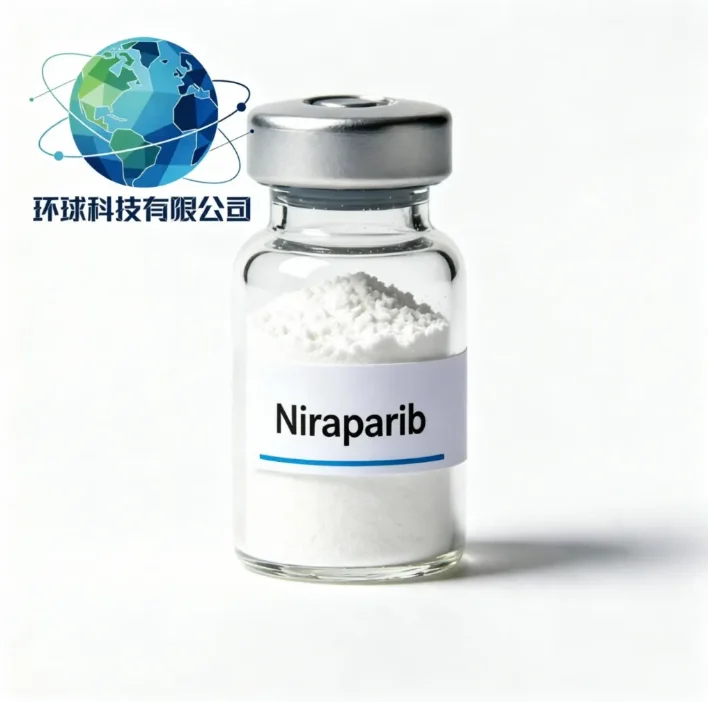
Niraparib CAS NO.1038915-60-4

Niraparib is a highly selective, potent oral PARP inhibitor used primarily in oncology to treat various forms of cancer, particularly ovarian and prostate cancers with BRCA mutations. It is designed as a targeted therapy to exploit DNA repair deficiencies in tumor cells, offering high efficacy with manageable side effects for patients requiring maintenance treatment after chemotherapy or as a monotherapy in recurrent settings. The product is available in high purity suitable for both pharmaceutical research and clinical development purposes.
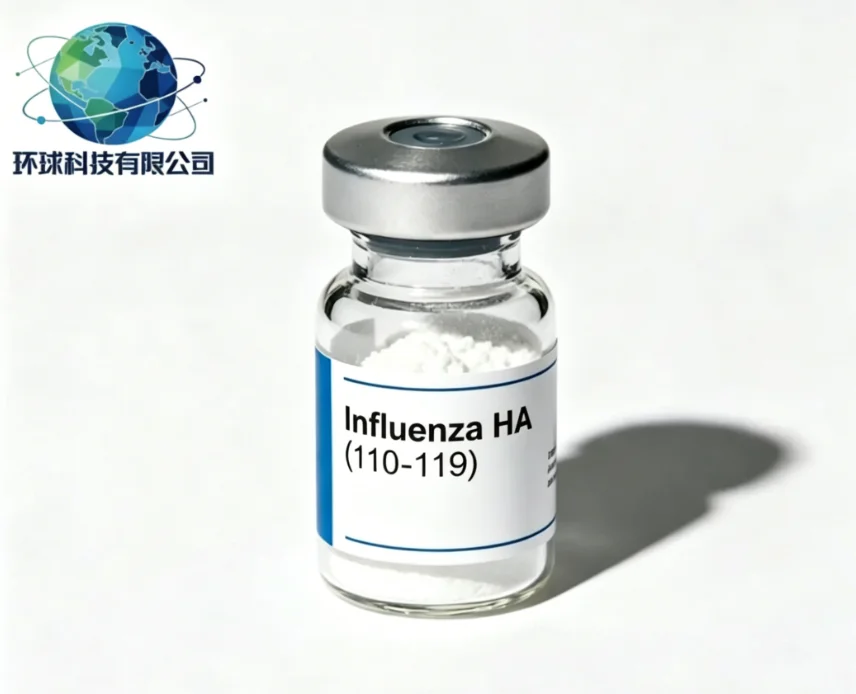
Influenza HA (110 – 119) CAS NO.132031-50-6

Influenza HA (110-119) is a synthetic decapeptide corresponding to residues 110 through 119 (Sequence: SFERFEIFPK) of the Influenza A virus Hemagglutinin (HA) protein, supplied as a high-purity white lyophilized powder strictly for non-clinical immunological and virological research. It is characterized as a H-2I-Ed-restricted CD4+ T-cell epitope that plays a distinct role in modulating immune responses, specifically serving as a critical reagent for scientists studying antigen presentation, T-regulatory (Treg) cell biology, and the humoral immunity against influenza. This product is specifically designed for use by immunologists, vaccine researchers, and diagnostic developers who require a reliable positive control to stimulate HA-specific T-cells, measure immune suppression or activation in assay systems, and evaluate the processing of viral envelope proteins in antigen-presenting cells.
HIV-1 tat Protein (49-57) CAS NO.123251-89-8

HIV-1 tat Protein (49-57) is a synthetic, highly cationic nonapeptide corresponding to the polybasic region of the HIV-1 Trans-Activator of Transcription (Tat) protein, supplied as a white lyophilized powder strictly for non-clinical laboratory research. It serves as a premier Cell-Penetrating Peptide (CPP) and a vital research tool for scientists investigating intracellular delivery mechanisms, particularly as a gold-standard model for the Protein Transduction Domain (PTD). This product is specifically designed for use by pharmaceutical R&D specialists, bioconjugate chemists, and cell biologists who require a reliable vector to facilitate the transmembrane transport of macromolecular cargoes, such as proteins, nucleic acids, nanoparticles, and contrast agents, into living cells for drug delivery, gene therapy, and bioimaging applications.
Transdermal Peptide CAS No.888486-23-5

Transdermal Peptide (commonly referred to as TD-1) is a specialized 11-amino acid cyclic peptide specifically engineered as a high-efficiency penetration enhancer for pharmaceutical, cosmetic, and biochemical research sectors. It is primarily utilized by formulation scientists and dermatological researchers who require a non-invasive, biological method to transport hydrophilic macromolecules—such as proteins, insulin, growth hormones, and siRNA—across the highly restrictive stratum corneum barrier. Supplied as a high-purity white to off-white lyophilized powder strictly for in vitro and preclinical laboratory use, this reagent serves as a critical tool for developing needle-free drug delivery systems, advanced transdermal patches, and high-bioavailability skincare actives that traditional chemical enhancers cannot achieve.
Ginsenoside Rk3  CAS NO.364779-15-7
Ginsenoside Rk3 CAS NO.364779-15-7
Ginsenoside Rk3 is a naturally occurring triterpenoid saponin derived from ginseng, recognized for its multifaceted pharmacological benefits. It is particularly valued for its ability to modulate immune function, enhance cellular energy metabolism, and provide robust antioxidant protection, making it suitable for research into metabolic disorders, chronic inflammation, and age-related degeneration.

Calcitonin, porcine CAS NO.12321-44-7

Calcitonin, porcine is a highly purified, 32-amino acid polypeptide hormone naturally synthesized by the thyroid C-cells of pigs, supplied as a sterile lyophilized white powder for advanced endocrinological and osteological research. Structurally characterized by a disulfide bridge between Cys1 and Cys7 and a C-terminal proline amide, this peptide shares high sequence homology with human calcitonin, making it a vital tool for scientists studying calcium homeostasis, bone metabolism, and G-protein-coupled receptor (GPCR) signaling. Its well-defined conformation and specific biological activity make it an essential reference standard for pharmaceutical R&D, biochemical laboratories, and academic institutions focused on antiresorptive drug discovery, hypercalcemia mechanisms, and the comparative physiology of calcitonin receptors across mammalian species.

Antho-Rfamide CAS NO.107535-01-3

Antho-RFamide is a high-purity, synthetic pentapeptide neuropeptide (pGlu-Gly-Arg-Phe-NH2) originally isolated from marine cnidarians such as the sea anemone Anthopleura elegantissimaand the sea pansy Renilla köllikeri, supplied as a lyophilized white powder for advanced neurobiological and evolutionary research. As a canonical member of the RFamide family of neuropeptides, it features a signature C-terminal Arg-Phe-NH2 (RFamide) motif and an N-terminal pyroglutamate residue, making it a fundamental tool for scientists studying primitive nervous systems, neuromuscular junctions, and G-protein-coupled receptor (GPCR) signaling. Its well-defined sequence and potent bioactivity make it an essential reference standard for academic laboratories, marine biology institutes, and pharmaceutical R&D teams focused on neurophysiology, comparative neuroscience, and the exploration of novel GPCR ligands derived from marine organisms.

CTX IV (6-12) CAS NO.115722-23-1

CTX IV (6-12) is a synthetic peptide fragment corresponding to the C-terminal telopeptide region of type I collagen, specifically cleaved by the enzyme cathepsin K during bone resorption. This high-purity peptide serves as a critical reference standard for researchers studying bone turnover, osteoporosis, and other metabolic bone diseases, offering reliable calibration for ELISA and mass spectrometry assays.

β- Amyloid (1-34) CAS NO.186359-65-9

β-Amyloid (1-34) is a synthetic peptide fragment representing the N-terminal region of the full-length β-amyloid protein, which is critically involved in the pathogenesis of Alzheimer’s disease. This peptide is widely used in neuroscience research to study amyloid aggregation, neurotoxicity, and early-stage plaque formation, offering researchers a valuable tool to investigate disease mechanisms and potential therapeutic targets in both academic and pharmaceutical settings.

Global Market Analysis and Oxandrolone 50mg Price Guide
Nov 05, 26
Global Market Analysis and Oxandrolone 50mg Price Guide
For B2B pharmaceutical buyers and researchers, understanding the oxandrolone 50mg price involves analyzing more than just a numerical value; it requires a comprehensive look at API purity, synthesis methods, and global supply chain stability. As a specialized anabolic steroid derivative, the cost is heavily influenced by the quality of raw materials and the rigor of the laboratory testing involved in the production process. This article explores the economic and technical variables that dictate market pricing for this specific compound. In the context of the global API market, pricing volatility is often tied to regulatory shifts in key manufacturing hubs
How to Select High Purity Alisol C CAS 30489271 for Laboratory Research
Nov 04, 26
How to Select High Purity Alisol C CAS 30489271 for Laboratory Research
High Purity Alisol C CAS 30489271 is suited to laboratories using Alisol C as a triterpenoid reference standard in metabolic, hepatology, pharmacology, HPLC/MS, botanical-extract, or selected cell-line research. We explain the application fit and the identity, purity, physical form, solvent, endotoxin, storage, quantity, and batch-record checks to make before ordering.
Reliable Oxandrolone Supplier for High Purity Pharmaceutical APIs
Nov 02, 26
Reliable Oxandrolone Supplier for High Purity Pharmaceutical APIs
When sourcing high-purity pharmaceutical ingredients for endocrine or cardiovascular research, the reliability of the supply chain is as critical as the chemical purity itself. For laboratories and manufacturers seeking a dependable oxandrolone supplier, the focus must extend beyond simple certificates of analysis to encompass consistent batch-to-batch stability and strict adherence to GMP standards. Whether the requirement is for small-scale pilot studies or large-scale industrial production, the ability to trace materials from raw synthesis to final lyophilized powder ensures the integrity of the resulting clinical or research data.

If you are interested in our products, you can choose to leave your information here, and we will be in touch with you shortly.